
From Katwe to MetLife: How Uganda’s Ghetto Kids Stole the World Cup Spotlight
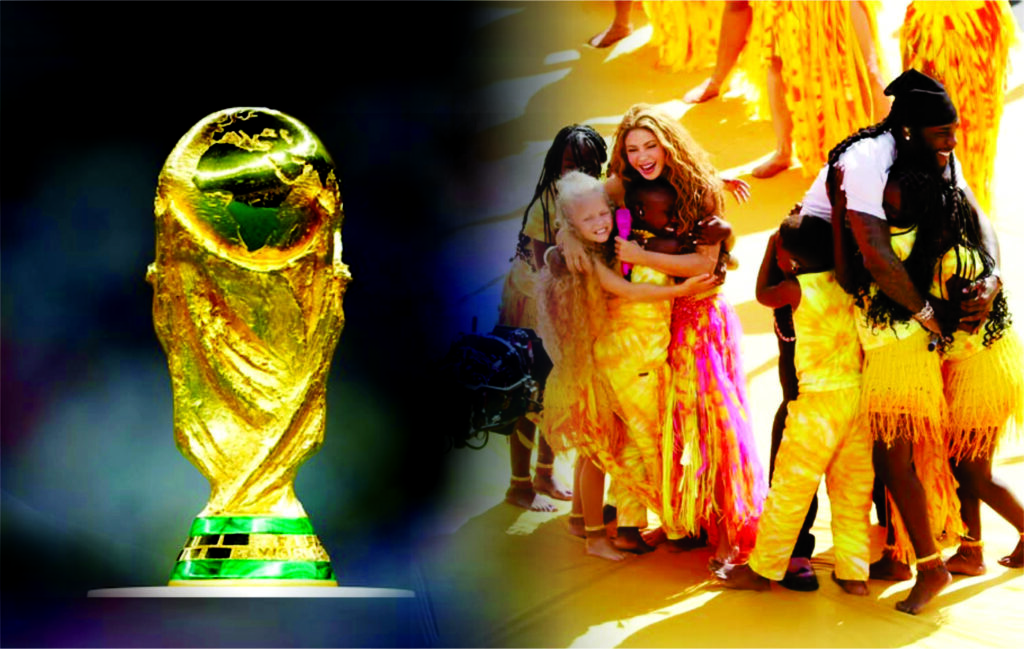
The road from the dust of Katwe in Kampala to the blistering lights of the MetLife Stadium in New Jersey is not measured in miles; it is measured in sheer grit.
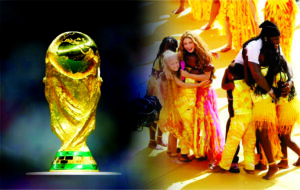
During the historic halftime show of the 2026 FIFA World Cup final between Spain and Argentina, the world stopped to watch global icons Shakira and Burna Boy. But when the dust settled on that stage, it was Uganda’s very own Triplets Ghetto Kids who owned the turf.
Yet, behind the gleaming smiles and viral sync of their performance to the hit song “Dai Dai,” lies a harrowing tale of bureaucratic hurdles, near-miss exploitation, and the timeless resilience of African talent.

Getting these young talents to the global stage was almost derailed by systemic gatekeeping. Just weeks before the tournament kicked off in June, strict travel restrictions threatened to lock them out. Amid public health alerts concerning regional outbreaks, the group faced intense red tape and a grueling 21-day quarantine ordeal in Ecuador just to secure their passage to the United States.
For underprivileged youth navigating international event logistics, the lack of institutional protection often exposes them to administrative neglect and second-class treatment abroad. They were not treated as honored cultural ambassadors of a sovereign African nation, but as logistical afterthoughts until global attention forced the system to yield.
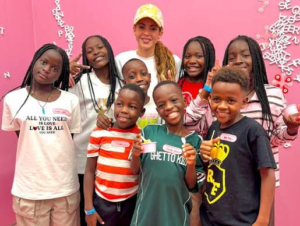
Enter Shakira. Recognizing the raw, unadulterated brilliance of the Ghetto Kids, the global pop icon bypassed the sterile corporate gatekeepers. She integrated them directly into her creative core, ensuring they didn’t just linger in the background, but took center stage during the performance.
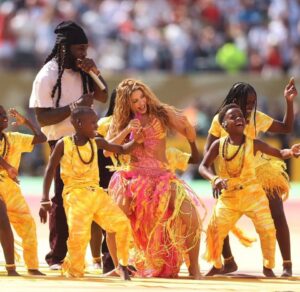

While fellow African titan Burna Boy also graced the stage, reports from the ground noted a stark contrast: while Burna Boy appeared slightly out of sync with the fast-paced choreography, the Ghetto Kids matched Shakira step-for-step, executing a masterclass in stage presence. Following the performance, Shakira’ s warmth—culminating in a heartfelt embrace on live global television—cemented a powerful bridge of mentorship. Beyond the stage lights, strategic partnerships and international management networks have begun circling the group to protect their intellectual property, secure long-term developmental deals, and ensure that their art translates into sustainable wealth rather than fleeting viral fame.
The journey of the Ghetto Kids forces us to confront an uncomfortable truth about the global entertainment and sports economy: African talent is too often treated as a cheap commodity—celebrated for its raw energy, yet starved of institutional protection, structural respect, and fair administrative facilitation.
We cannot continue to applaud African children and athletes only when they beat the odds, while ignoring the broken systems that make the odds so steep in the first place. Whether it is a young dancer from Katwe or a grassroots football prodigy in our local leagues, talent is universal, but opportunity is artificially restricted.
It is time to move away from the “pity-to-stage” narrative. African creatives do not need charity; they need systems that respect their dignity, clear bureaucratic pathways that honor their movement, and commercial equity that pays them what they are worth.
If the world wants the rhythm, the flavor, and the brilliance of Africa on its biggest stages, it must learn to treat the source with the utmost respect. Anything less is just exploitation in a custom-made suit.
Picture Credit: TRT Africa | Felipe Pagani