
Unlocking the Value of West Africa’s Cashew Apple, the Second Harvest
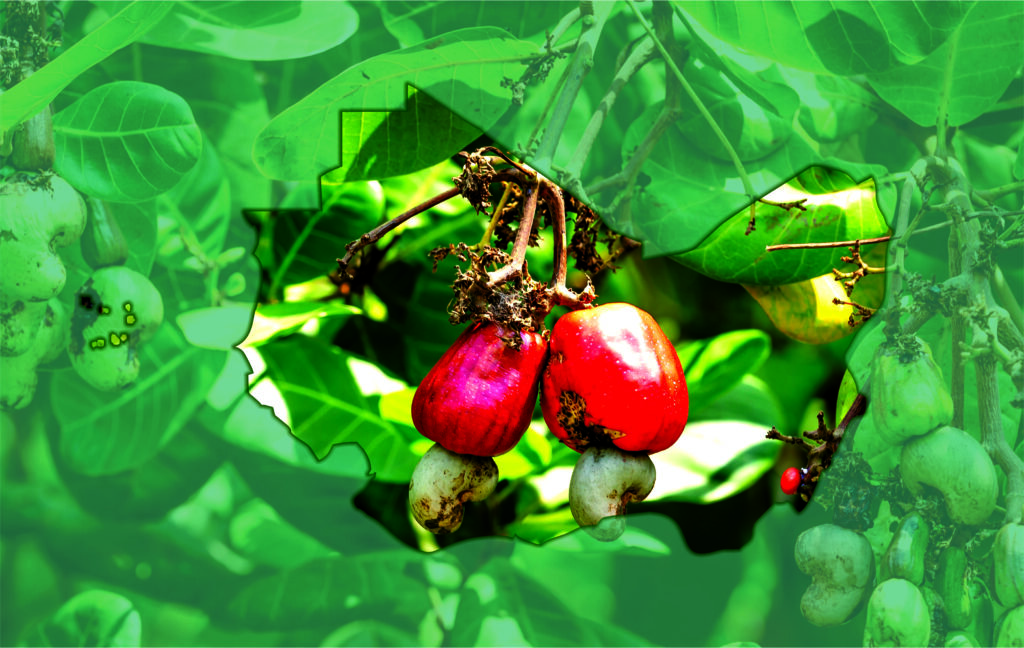
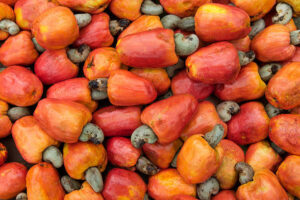
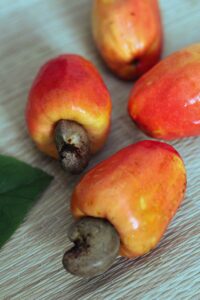
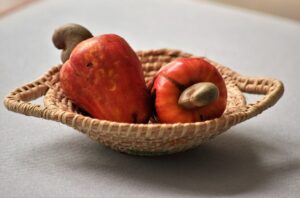
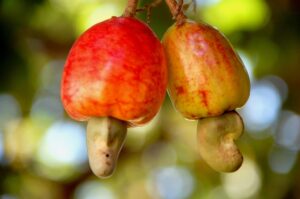
In agriculture globally, the cashew performs a biological absurdity: the fruit is often discarded to save the seed. According to Livestock Research for Rural Development 32 (5) 2020, its waste ratio has been noted to be 9:1, where the massive, fleshy cashew apple is left to rot while the tiny, external nut is harvested for global markets. Over time it had become a structural failure in food security and a multi-billion-dollar missed opportunity.
The harvest is always a race against decomposition, in respect to the Ghanaian cashew nut processors. While Ghana’s struggle to exorcise this waste is contemporary, the blueprint for a solution was drafted over a century ago in the Brazilian northeast.
Food preservation is an act of economic defiance. In the 1890s, the Brazilian state of Piauí faced the same perishability barrier currently stifling West Africa. The cultural relationship with the caju (cashew apple) was deep, but its commercial potential was none until the intervention of Rodolfo Teófilo, a writer and pharmacist with a penchant for social engineering.
Teófilo’s goal was to provide a non-alcoholic alternative to the era’s harsh spirits. He turned to appertisation, a process of sterilising clarified juice within sealed glass bottles. By heating the liquid, Teófilo triggered a natural caramelisation of the fruit’s high sugar content, resulting in a distinctive golden hue and a refined, woodsy sweetness. The resulting beverage, Cajuína, proved that the cashew apple was not biologically destined for the trash heap. It was a historical proof of concept: with the right application of science, a volatile waste product could become a sophisticated, shelf-stable commercial asset.
The cashew apple is a logistical nightmare. It possesses a respiratory intensity higher than almost any other tropical fruit, resulting in a shelf life that expires within 24 to 48 hours. Its pH of 4.2 and high water content create a petri dish for microbial growth. Compounding this is the puckeringly astringent mouthfeel caused by high concentrations of condensed tannins, which act as a natural deterrent to unrefined consumption.
To transform this into a scalable industrial feedstock, researchers like Sahie et al. (2023) have focused on dismantling these physiological hurdles. The transition from waste product to commercial juice requires a surgical approach to clarification and stabilisation:
- Tannin Sequestration: The use of specific clarification agents is Research indicates that gelatin at a concentration of 2.439 g/L or cashew gum at 4.762 g/L effectively precipitates the tannins responsible for astringency.
- Advanced Clarification: Beyond traditional fining, the application of macroporous resins and immobilised tannase has shown a 51% to 80% reduction in astringency while increasing flavonoid availability.
- Microbial Fortification: By using the apple as a substrate for Lactobacillus casei and Lactobacillus plantarum, processors are creating probiotic “functional foods” that offer anti-diabetic properties, extending the fruit’s value into the nutraceutical
- Shelf-life Expansion: Through thermal and non-thermal stabilisation, the viable processing window has been stretched from 24 hours to six days, allowing for the working-capital intensive collection networks required for industrial scale.
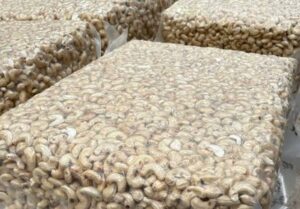
The current cashew trade is a textbook example of a linear, colonial-style economy. West Africa produces 57% of the world’s raw cashew nuts (RCN) but processes less than 10% locally. The nuts embark on a staggering 30,000km journey from African farms to Asian factories in Vietnam and India before reaching Western consumers. This geographic stretch is maintained by a soft loan trap; foreign buyers provide off-season financing to farmers, who then commit their entire harvest to the nut-only export market, effectively starving domestic African factories of raw materials. This system is fraught with structural friction.
Upcycling the cashew apple provides the liquidity required to break this cycle. If a farmer can sell the apple locally, they gain immediate cash flow, reducing their dependence on the predatory financing that binds them to the nut-only export route. Diversifying the tree’s value provides a sovereign financing model, turning the orchard into a site of local capital accumulation rather than just raw material extraction.
The waste-to-wealth narrative is not a speculative theory; it is the history of industrial success. Agricultural history is littered with “byproducts” that eventually became the primary product’s value.
The most salient analogy is whey; it was once a highly polluting effluent of cheese-making, it was dumped into sewers until filtration technology transformed it into a multi-billion-dollar global protein supplement industry. When the byproduct of the cashew (the apple) outweighs the primary product (the nut) nine-to-one, the competitive landscape shifts. The country that masters the apple will eventually control the economics of the nut.
As Ghana takes a lead through the regulatory work of Ghana’s Tree Crops Development Authority (TCDA) and the Consultative International Cashew Council (CICC), the industry is shifting from a nut-centric myopia to a whole-fruit circularity.
The transformation of West African agriculture from a farm-based model to a factory-based model is a matter of economic survival; with the right structures and facilities, adopting the technical precision of pharmaceutical-grade processing and the strategic grit of a multipolar trade policy, Ghana can lead in generating great returns from its resources.