
Sahel Confederal Bank for Investment and Development, launched to Drive Economic Growth
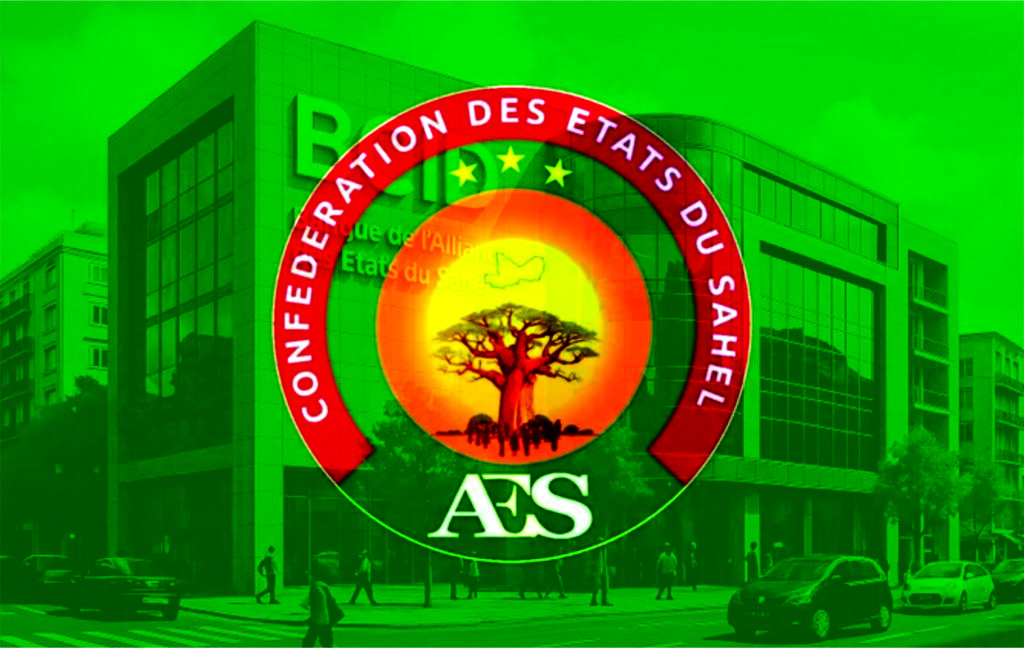
In the Sahel, an economic-storm is breezing across as the AES union of Burkina Faso, Mali and Niger, officially launched the Confederal Bank for Investment and Development (BCID-AES), marking a significant step in their efforts to expand infrastructural development, economic cooperation and strengthen financial independence, under the Alliance of Sahel States (AES).
The bank is set to launch with an initial capital of 500 billion CFA francs, equivalent to approximately US$895 million, in a move aimed at strengthening economic development and financing across the three countries. The development fund will focus on infrastructure, agriculture, energy, industry and other productive sectors, with the broader objective of expanding domestic production, improving economic robustness and creating new opportunities for businesses and communities.
There has been widespread expression concerning over persistent financing-gaps that have constrained investment in critical sectors and slowed the implementation of major development projects. The new institution is expected to help address these challenges by mobilising long-term capital for projects considered essential to economic transformation and regional growth.

This initiative reflects a growing determination by the governments of Burkina Faso, Mali and Niger to mobilise their own financial resources for development, rather than relying predominantly on external institutions. By coordinating their economic policies and investment priorities, the three governments aim to create a stronger regional market capable of supporting businesses, expanding trade and accelerating investment within the Sahel.
These Sahelian governments believe the BCID-AES, could become an important instrument for funding roads, transport networks, agricultural value chains, electricity generation and industrial projects that have struggled to attract sufficient financing. Improved infrastructure and greater access to development capital could help reduce the cost of moving goods, increase agricultural production, support local manufacturing and create employment opportunities for millions of people across the region.
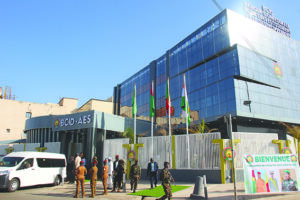
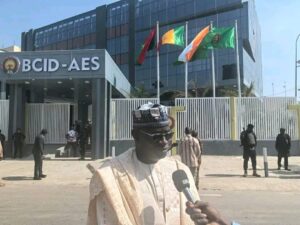
The bank could also strengthen economic links among the three countries, by directing capital towards projects with cross-border benefits. Investments in transport corridors, energy networks and regional trade infrastructure for example, could make it easier for businesses to operate across national borders and help the landlocked Sahel economies expand their access to domestic and regional markets.
From a wide-perspective, the establishment represents part of the AES governments’ push, for greater economic sovereignty and regional integration. A functioning regional investment/development institution, would give the three countries greater control over which development projects receive financing and encourage the mobilisation of domestic savings for long-term economic growth.
However, the creation of BCID-AES does not mean that Burkina Faso, Mali and Niger have established a new central bank or introduced a new currency. The three countries are still retaining to use their CFA franc, while pursuing insightful economic and financial integration.
If effectively managed, the new institution could become a significant source of development-financing for the Sahel, helping these countries depart from the sole-dependence on raw-material exports and external funding for their industrialisation, stronger regional trade and more self-sustaining economic growth.