
Algeria’s Deadly Heatwave Wildfires Expose Growing Climate and Social Risks
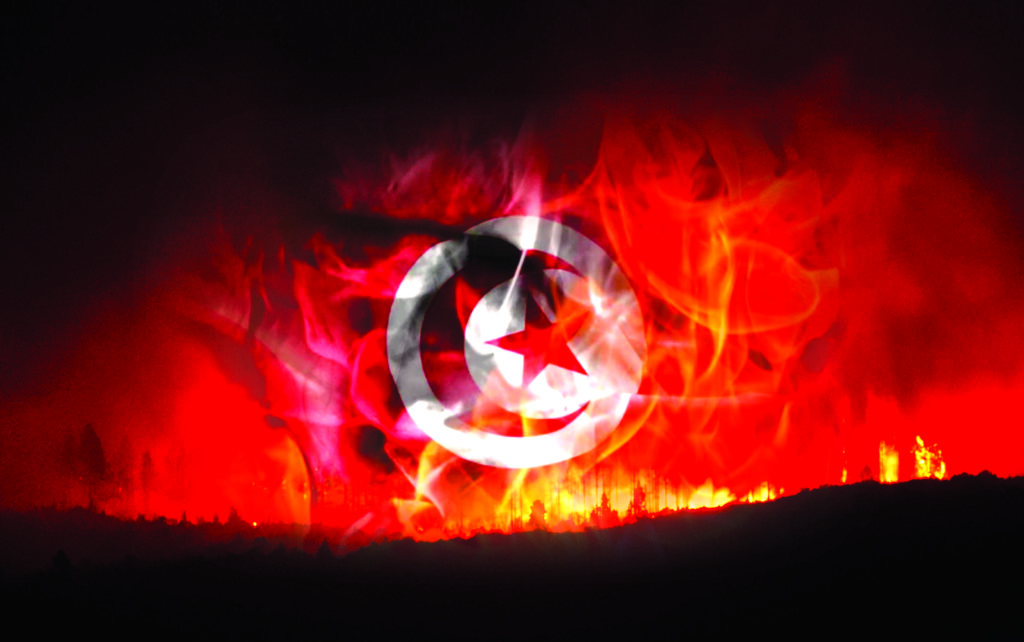
An unwanted and feared visitor of the summer stroke-in on Algeria from an exceptional heatwave, lighting up severe wildfires in multiple locations with over 154 fires across the country, on August 26/2026. The battle to curb these incidence is severely ongoing, these is an utmost emergencies provision in an unfriendly summer period. At least more than 12 people have died, many more are injured and some are in critical conditions.
The loss of lives from this unfortunate instances, happened in the northeastern provinces of Jijel, Béjaïa and Tizi Ouzou, where multiple numbers of people were killed, respectively. Some of the victims are children. Most of the homes in these areas, are currently abandoned by families. Farms, livestock and other valuable properties are left behind, because of the fear of losing more lives to the angering-fest of heatwave, as it transits rapidly across forest areas.
The disaster has transformed a recurring summer hazard, into a bigger national concern on how Algeria can protect her people, economy and rural communities, when extreme heat turns dangerous. By the way, extreme heat has become more frequent and intense in the North Africa.

The fires erupted as the powerful heatwave affected the neighbouring Tunisia. Some features that power this heatwave transit are, high temperatures, dry vegetation and strong winds. They created conditions in which fires could ignite easily and spread with little warning.
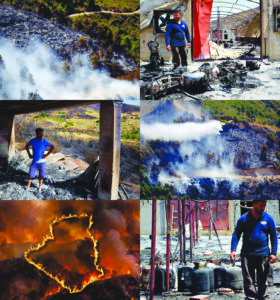
Béjaïa was among the worst affected, with 36 fires recorded in a single day. Authorities said several of the fires were brought under control. Firefighting operations are still holding-forth in parts of Béjaïa and Jijel. Blazes were also reported in Skikda, El Tarf, Bouira, Tizi Ouzou and Tebessa. The emergency attention in this situation, is a race against time for residents in exposed communities. Securing their children and elderly relatives, moving livestock, protecting homes and deciding what belongings can be carried when evacuation orders come, is the most relevant attention needed by the people in these heat-plagued communities.
The extreme weather also highlights a long-term environmental problem. Algeria’s Mediterranean north, has historically been vulnerable to summer wildfires, but hotter temperatures, prolonged drought and increasingly dry vegetation can make fires more frequent and harder to contain. The World Meteorological Organization says, North Africa is warmed-up by about 0.4°C% between 1991 and 2023, faster than the rest part of Africa as a whole.
The crisis has placed pressure on the Algerian government to demonstrate that emergency response can keep pace with progressively volatile weather. This is a political test for the government.
Civil-protection personnel and firefighting teams, have been deployed to contain the blazes, evacuate threatened residents and treat casualties. Operations have been particularly concentrated in Béjaïa and Jijel, where fires remained active, after several others were brought under control.
President Abdelmadjid Tebboune declared three days of national mourning, beginning from August 27th; ordered flags to be flown at half-mast; national festivities and sporting events cancelled. The measures of the President’s response, mirror the seriousness of the human toll. But the political challenge goes beyond mourning. Repeated deadly fire seasons, challenge the preparedness of Algerian government in areas like forest management, emergency communications, evacuation planning and the resources available to communities living in high-risk areas.
And to families who have experienced previous fires, each fresh emergency deployment inflates a sense of vulnerability; the expectation that another summer of extreme heatwave could again threaten homes and livelihoods, putting rural livelihoods under pressure.

The economic damage may continue long after the flames are extinguished. Fires can destroy farmland, orchards, livestock, forests and rural infrastructure, depriving families of income and damaging assets built over generations. Evacuations can interrupt farming, local trade, transport and schooling, whereas businesses in affected communities, may lose days or weeks of activity.
The consequences can be especially severe. Losing a field, livestock or fruit trees, can mean losing this year’s income and the foundation of future earnings. Forests themselves are part of that economic equation. Repeated fires can damage soils, accelerate erosion and weaken ecosystems that support agriculture and water management. Recovery may take years, leaving the already vulnerable rural communities to face additional costs.
This also carries social crisis as well as an environmental one. The social consequences are also difficult to capture, through casualty figures alone. When entire communities are evacuated, people are temporarily separated from homes, neighbours, schools and familiar routines. In this, older residents may face particular difficulties leaving their ancestral homes, while children can experience disrupted schooling and the psychological shock of displacement.

Correspondingly, concerning regional alert, there is no confirmed evidence that Algeria’s wildfires crossed into neighbouring countries. But the heatwave driving the danger is regional, featuring Tunisia and Algeria as the countries facing the heightened heat and wildfire risks. This situation has made Algeria’s experience, a part of a wider North African’s extreme heat challenge, involving drought, water stress, agricultural pressure and potential displacement.
Presently, the immediate priority is to extinguish the remaining fires, care for the injured, support bereaved families and help displaced residents return safely. But in the long-run, Algeria will need a stronger early-warning systems, better forest/land management, greater firefighting capacity and more robust agricultural and water systems.
Algeria’s latest wildfire emergency shows that in a warming North Africa, wildfires are no longer merely an environmental disaster. They are progressively becoming a challenge against socioeconomic and sociocultural existence.