
Zambia’s Democracy on Trial? Inside the Brian Mundubile Electoral Crisis
Zambia’s general election, held on August 13, 2026, has become a high-stakes test of one of Sub-Saharan Africa’s most established democratic traditions. Long regarded as a regional anchor of political stability, Zambia entered the 2026 electoral cycle with a reputation for democratic resilience. The events surrounding the election, however, have exposed significant institutional vulnerabilities.
The contest was a struggle between the incumbent administration and the former ruling party, the National Reconciliation Party for Unity and Prosperity (NRPUP). The electoral results, as certified by state authorities, granted incumbent President Hakainde Hichilema a second term with a 60% mandate. Yet the significance of the election cannot be understood solely through Hichilema’s victory. The performance of Brian Mundubile, a close ally of the late former President Edgar Lungu and a leading figure within the NRPUP, emerged as one of the election’s most consequential developments.
The NRPUP, which governed Zambia before Hichilema’s rise to power, demonstrated greater residual political strength than many pre-election projections had anticipated. That resurgence heightened the stakes of the post-election period and may have contributed to the intensity of the government’s subsequent response.
Instead of the relatively calm transition many had expected, the aftermath was marked by disruptions to vote counting, violence and allegations of electoral fraud by the opposition. The crisis escalated further as the government’s response increasingly shifted from managing an electoral dispute to pursuing opposition leaders on allegations of subversion.

The Crackdown on the Opposition
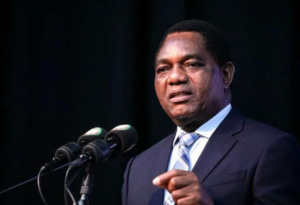
The deployment of security forces against leaders and members of a former ruling party represents one of the most serious tests of Zambia’s commitment to the rule of law in the post-election period. On August 14, 2026, less than 24 hours after polling, Zambian police conducted a series of raids on Mundubile’s residence and other NRPUP locations, resulting in 11 arrests. The most serious escalation occurred during these operations, when Mutotwe Kafwaya, a former cabinet minister and senior NRPUP figure, was shot and killed during an exchange of gunfire involving security forces.
Following the violence, Mundubile and his running mate, Makebi Zulu, went into hiding amid fears of imminent detention. For nearly two weeks, the pair remained in Lusaka under the protection of the United Nations, while police publicly pursued them and characterised the two leaders as fugitives. The standoff ended when the opposition leaders agreed to surrender to the authorities for questioning. While authorities justified the initial raids by citing security concerns and an alleged insurgent threat, it was the subsequent disruption of the judicial process that created the most significant institutional obstacle to the opposition’s challenge.
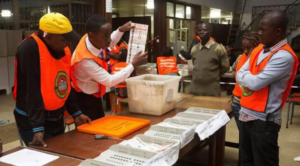
The closure of judicial institutions during an active electoral challenge represents an extraordinary development and raises serious concerns about the effective functioning of constitutional safeguards. By restricting access to the primary mechanism for resolving electoral disputes, the closure of the courts risked foreclosing one of the most important peaceful avenues for addressing the crisis.
As of August 27, 2026, Mundubile and Zulu remained in custody for questioning, while their legal team faced significant challenges in the prevailing judicial climate. Most critically, on the constitutional deadline for challenging the election results, the courts were closed on what authorities described as security grounds. The timing of the closure raised serious concerns about procedural disenfranchisement and access to constitutional remedies. Given the constitutional deadline for filing an electoral petition, the closure of the courts on the final day significantly restricted the opposition’s ability to pursue a legal remedy.
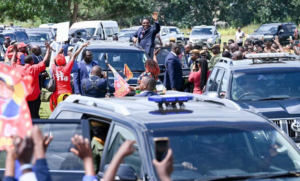
The combination of Mundubile’s detention and the disruption of the judicial process during this critical period had the effect of limiting the opposition’s ability to challenge the election before President Hichilema’s scheduled September 1 inauguration. Even if the election result remains officially valid, the circumstances surrounding the post-election crisis risk raising broader questions about the democratic legitimacy of the process.
The political and legal crisis surrounding Brian Mundubile may represent a critical turning point for Zambian democracy, gesturing a possible shift towards a more security-centric approach to political opposition. International observers are monitoring three key risks:
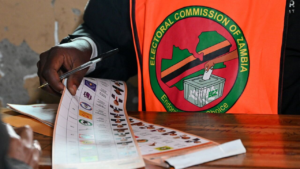
- Institutional Erosion: The closure of the courts on a constitutional deadline raises serious concerns about the use of security considerations in ways that may undermine democratic safeguards. Allowing executive or security considerations to override judicial access at a critical electoral moment could establish a dangerous precedent for future elections.
- Escalation of Political Violence: Characterising political opponents as an insurgent threat risks creating conditions in which extraordinary security measures, including the use of lethal force, become normalised within political conflict. The killing of Mutotwe Kafwaya has therefore become a defining symbol of the dangers associated with the escalating crisis.
- Deficit of Electoral Legitimacy: Despite Hichilema’s official 60 per cent victory margin, the detention of opposition leaders and the disruption of the judicial process risk undermining public confidence in the electoral outcome and could have longer-term implications for Zambia’s domestic and international democratic standing.