
Cape Verde President Seeks a Second Term to Narrow Cape Verde’s Island Divide
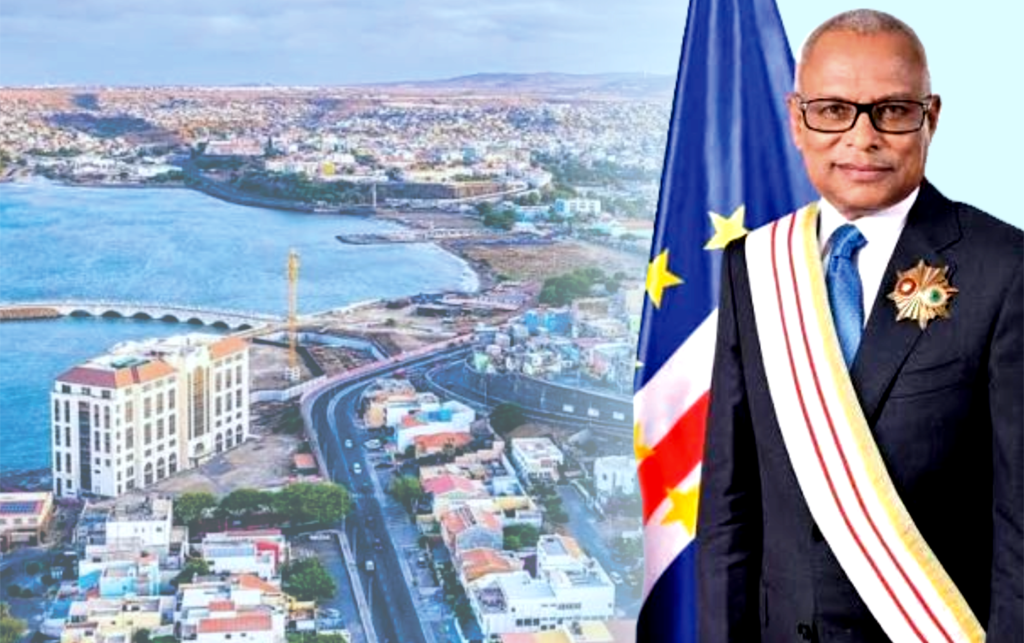
As Cape Verde prepares for its November 15, 2026 presidential election, President José Maria Neves is asking voters for another five years term, to remain in office and extensively develop what he presents as a comprehensive national project, bringing a geographically fragmented country closer together in his economic developmental drive.
Neves, elected in 2021, is seeking a second consecutive term, which is permitted under Cape Verde’s Constitution. But the political case for his re-election goes beyond constitutional eligibility. The center-focus of his pursuit, is a challenge that has shaped the islands’ nation for decades; how to ensure that citizenship, opportunity and development, do not depend too heavily on any of the country’s ten islands, which is called home by many individuals, depending on which island they live.
Cape Verde’s geography is both an asset and a constraint. Its islands have distinctive economic and social identities, but distance can also translate into unequal access to public services, investment, employments, and national institutions.
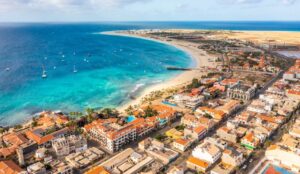
President Neves believes he can close those gaps by building and developing what he describes as a “great national movement”, a political and social effort capable of connecting communities that can sometimes feel separated by the Atlantic and differences in economic opportunity.
That ambition gives his re-election bid a developmental dimension. A more integrated archipelago could mean stronger links between local economies, better movement of people and goods, and greater opportunities for communities outside the country’s principal urban and economic centres. Neves drive is continuity, though in a fragile political environment.
Neves is also presenting continuity as an important part of his case. During his first term, he has sought engagement with different political forces and influential national figures, including the ruling African Party for the Independence of Cape Verde (PAICV).
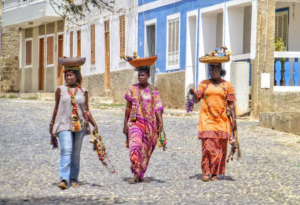
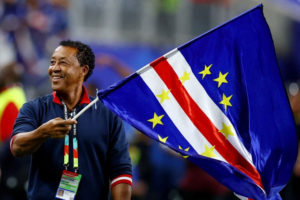
Such outreach reflects the importance of institutional stability in a small democracy, whose development depends heavily on political consensus, effective public institutions, confidence among citizens and investors. In his view, his approach suggests that the presidency should function beyond the centre of executive authority, to a platform for dialogue across political and social divisions.
However, the consideration of socioeconomic development in Cape Verde, is utmostly relevant in the pursuit of being elected into a political office. In this regard, the Cape Verdeans would want to see the significance of another term for President José Maria Neves, as a window that marks-out positive and impactful economic development for the nation, her communities and citizens, as against being evaluated based on political alliances, etc.
The island divide, is seriously a social issue. You may wonder to ask if the growing stage of a young person outside the state capital, affords him/her a comparative access to education; or if employment and economic opportunities are made available for Cape Verdean youth across the islands; and concerning SME businesses on smaller islands, what is their participatory import to the national economy? Furthermore in this enquiry-trail, you may also want to know if public investment can reduce the sense of distance, between the country’s communities in their various island. These and many other ponderings, would be the mind-bugler that you would be expecting answers for.
Neves’ campaign therefore places national unity alongside economic development. The campaign-statement is that Cape Verde cannot fully realise its economic potential, if geography continues to determine opportunity. So, here is a probable pursuit for another presidential term, in order to marry his ongoing economic policy to new term, for impactful socioeconomic yields across the islands’ nation.
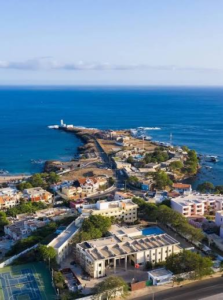
The November election will consequently be more than voting. It will prove if Neves could persuade voters that continuity in office, offers the best route to a more connected, inclusive and economically balanced Cape Verde.
His re-election bid, rests on a relatively straightforward proposition that a country spread across ten islands, needs a political vision capable of transforming those islands into one national community experience. And a second term would give President José Maria Neves, another five years to turn that vision into progressive reality; and to demonstrate that national unity can translate into more evenly shared economic development.