

Dangote’s Vision 2030 Gestures New Chapter for Africa-UAE Industrial Partnership
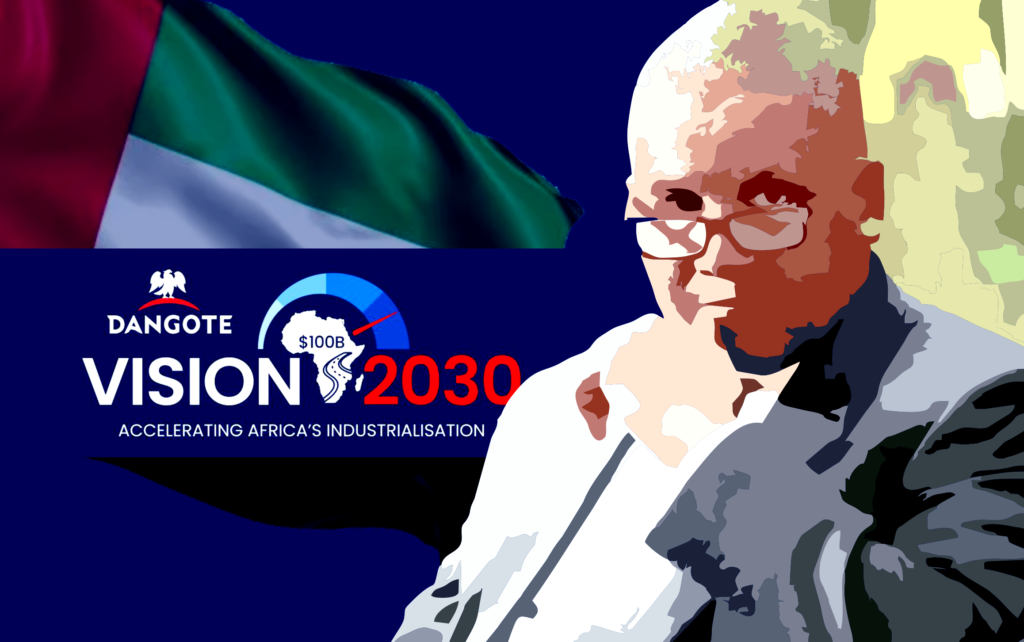
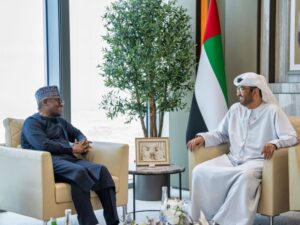
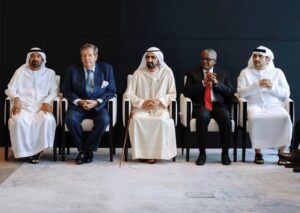
A new phase in Africa’s industrial development ambitions is emerging, as Nigerian industrialist Aliko Dangote presented his Vision 2030 strategy to Sheikh Mohamed bin Zayed Al Nahyan, outlining an ambitious roadmap to transform Dangote Industries Limited into a $100 billion enterprise, while expanding strategic economic cooperation between Africa and the United Arab Emirates.
The engagement extends further than corporate expansion. It reflects a wider effort to attract long-term investment into sectors that many African governments consider essential for sustainable economic transformation, including energy, manufacturing, infrastructure and industrial value chains. The discussions, which involved senior executives from the Abu Dhabi National Oil Company, further highlighted growing interest in cross-regional partnerships, capable of mobilising capital, technology and industrial expertise, for Africa’s development agenda.
In the current stance of many African economies, inadequate industrial capacity continues to fuel dependence on imported fuel, manufactured goods and processed agricultural products. Some view-pointers suggest that initiatives that can strengthen domestic production, could also help reduce pressure on foreign exchange reserves, improve economic elasticity and create stronger regional markets, under continental trade integration efforts.
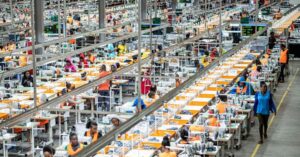
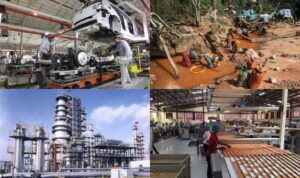
Vision 2030 places significant emphasis on import substitution, by expanding local production across petroleum refining, cement manufacturing, agriculture and petrochemicals. The strategy seeks to strengthen Africa’s productive capacity, enabling more countries to process raw materials locally, instead of exporting them in unprocessed form and importing finished products at higher costs.
If successfully implemented, the initiative could deliver tangible benefits for families, through improved energy availability, more stable industrial supply chains and potentially lower production costs that may gradually translate into more affordable goods and services. Increased refining capacity would also support efforts to reduce dependence on imported petroleum products. This is an issue that has been affecting fuel pricing across several African countries for a very long time.


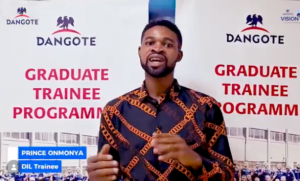
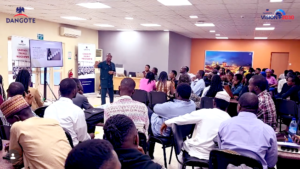
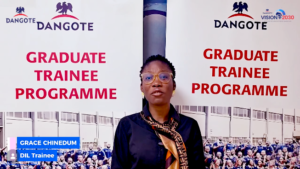
The 2030 vision plan, highlights human capital development as a cornerstone of long-term economic growth. A proposed ₦1 trillion education fund, estimated at about $600 million, is intended to address technical and vocational skills shortages, by supporting education, innovation and workforce development. The investment aims to equip young Africans with practical skills required in engineering, manufacturing, technology and other industrial sectors that are expected to drive the continent’s next phase of growth.
Some development economists note that investments in technical education often generate long-term social returns, by way of improving employability, supporting entrepreneurship and helping industries access a more skilled workforce. With regards to many African youths facing high unemployment, stronger links between education and industrial demand, could create new pathways into productive employment.
Vision 2030 also projects significant employment opportunities through expanded manufacturing operations and regional supply chains. Construction activities, logistics, engineering services, maintenance operations and SMEs, are all expected to benefit as industrial facilities expand across multiple African markets. Such multiplier effects could stimulate local businesses, increase homefront incomes and strengthen domestic tax revenues, making it available for public services.
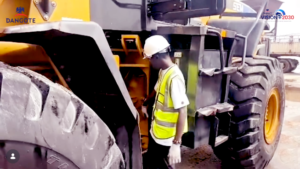
The industrial roadmap includes ambitious production targets, including expanding petroleum refining capacity from 650,000 barrels per day to 1.44 million barrels per day, while increasing Dangote Cement’s annual production capacity to 90 million tonnes. These investments are expected to strengthen regional supply networks, increase exports and improve Africa’s competitiveness in global manufacturing markets.
The strategy also incorporates environmental sustainability, through greater adoption of compressed natural gas (CNG) for transportation fleets; and stronger environmental, social and governance (ESG) standards. Thus, cleaner industrial practices are becoming progressively important, as global investors place greater emphasis on sustainable development and responsible corporate governance.
To most African governments pursuing economic diversification asides commodity exports, partnerships with international investors remain central to financing large-scale industrial infrastructure. Therefore, collaborations with Gulf nations, particularly the UAE, offer access to substantial investment capital, advanced technologies, expertise in energy, logistics and industrial project delivery.
In the view of some economic experts, it is also presumed that the long-term success of the vision 2030 initiatives, will ultimately depend on supportive government policies, transparent regulation, infrastructure improvements, skilled workforce development and sustained private-sector investment. When aligned effectively, these factors can accelerate industrialisation across Africa, strengthen regional trade, reduce poverty and improve living standards across the continent.
As Africa continues its drive toward economic self-sufficiency, Dangote’s Vision 2030 represents more than a corporate growth strategy. It mirrors a wider aspiration to build stronger industrial ecosystems, expand employment opportunities, enhance human capital and position African economies, as more competitive participants in the global manufacturing, energy and trade community.