
Tunisia’s Reform Agenda Lifts Foreign Investment by 39%, FDI Climbs to $2.8bn
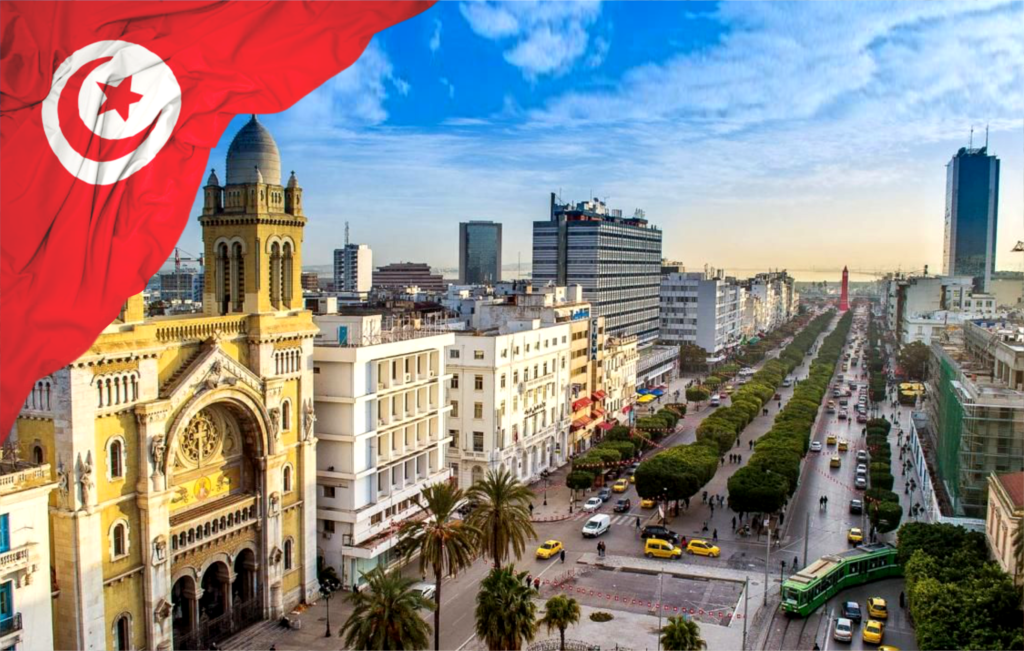
The foreign direct investment into Tunisia surged by 39 percent in 2025, reaching TD8.3 billion ($2.8 billion), in what officials describe as a sign that years of economic reform are beginning to restore investor confidence.
Figures released by the Tunisian Investment Authority showed that the inflows generated nearly 101,000 jobs, with more than two-thirds of new capital channeled into industry, services and renewable energy. Authorities say 74 percent of projects were newly created ventures, a metric they interpret as proof of renewed market appeal. Nonetheless, the macroeconomic rebound lies a more complex story that intertwines fiscal strain, rising living costs and the everyday realities of Tunisian households.
Industry and energy lead the charge. Industrial investments accounted for TD2.9 billion, while services attracted TD1.7 billion. Renewable energy projects drew TD1.6 billion, nearly a fifth of total FDI, give emphasis to Tunisia’s attempt to reposition itself as a regional clean energy hub.
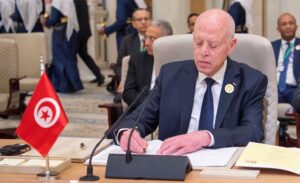
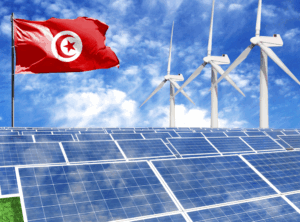
Last year, Industry/Mines/Energy Minister Fatima Chiboub signed agreements awarding four solar projects to foreign firms including Qair Group, Scatec, Voltalia and Aeolus. The projects that is expected to be completed by 2027, form part of a broader pipeline targeting 1700 megawatts of additional capacity. The government aims to raise renewables to 30 percent of the national energy mix by 2030. This is a strategy intended to cut import bills and also attract climate-aligned capital. But then again, most reform policy generate momentum that sponsors social pressures.
The investment uptick, follows a reform drive launched after Tunisia’s prolonged fiscal crisis. Authorities introduced incentives to ease market entry, streamline licensing and offer tax advantages in priority sectors. Nominal GDP per capita has steadily climbed since 2022, while inflation has gradually eased from 9.3 percent in 2023 to 5.9 percent in 2025. But inflation remains elevated in absolute terms; and public debt still hovers above 80 percent of GDP. The current account deficit, after narrowing sharply in 2024, widened again in 2025. And for the feel of many of the citizens, the reform’s revenue generation has not translated into tangible relief.
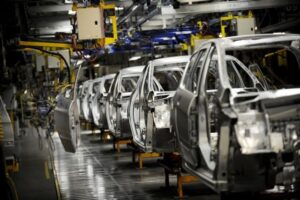

In industrial zones outside Tunis and Sfax, workers welcome new factory openings, but labour groups warn that job quality, wage levels and long-term security matter as much as numbers of employment. In rural communities, reserved for solar farms, residents express cautious optimism and hopefulness for local hiring in infrastructure development; but are also wary of land-use disputes and uneven benefit sharing.
In a consideration of political diplomacy, dependence and diversification, Tunisia’s economy remains heavily reliant on tourism, exports and external financing. By broadening its investment base, particularly towards renewable energy and higher-value industrial activity, the government is attempting to reduce structural vulnerability. Diplomatically, the renewable push aligns Tunisia with European decarbonization goals, potentially strengthening its ties with EU partners who are seeking green energy corridors across the Mediterranean sphere. At the same time, diversification of investors that are spanning from Germany, Norway, France and Japan, reflects a deliberate strategy to avoid overdependence on a single capital source.


The surge in Tunisia’s Foreign Direct Investment (FDI), marks a measurable turnaround for a country that has grappled with political transitions and economic headwinds over the past decade. Still, sustaining the momentum will depend on policy consistency, regulatory transparency and social inclusion. Furthermore, political/market analysts are of the opinion that for Tunisia’s reform programme to gain durable legitimacy, growth must be felt in investment statistics, household incomes, youth employment and regional equity. The numbers suggest that recovery is in progress. Whether that recovery becomes a broadly-shared prosperity, remains the central-test for the Tunisian government.