
Mounting Costs, Uncertain Gains, US Strikes on Iran Cross $1Billion: Political Power-Restructuring Campaign?

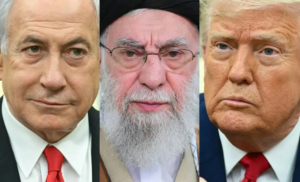
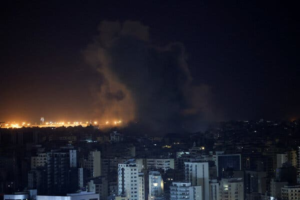
The financial toll of President Donald Trump’s recent military action against Iran has already surpassed $1 billion, according to preliminary defense estimates, budget figure that could multiply dramatically if hostilities persist.
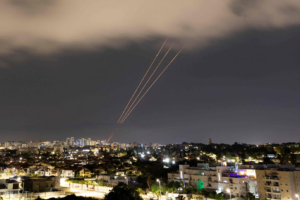
Early expenditures include nearly $630 million to deploy troops, aircraft and naval assets across the region in the days leading up to the strikes. Additional losses, including three F-15 fighter jets reportedly downed in Kuwait, valued at roughly $300 million, have added to the immediate price tag. The operations themselves have relied on high-cost hardware such as Tomahawk missiles, long-range drones and B-2 bomber sorties, each carrying multimillion-dollar operational expenses. Maintaining aircraft carriers and forward bases adds millions more each day. And apart from line items and procurement figures, the financial debate unfolding in Washington has expanded human and political dimensions.
Back in the States, budget pressures and public scrutiny looms in every serious political/social/corporate circuit. Defense economists’ thoughtfulness stated that the $1billion figure represents only the opening phase of spending. Should the campaign expand or extend over months, the total cost could rise into the tens of billions, potentially approaching $100billion, when factoring in replenishment of munitions, long-term veterans’ care, interest on borrowed funds and wider economic ripple effects.
The contrast from this military-action’s funding is sharp for the American taxpayers, especially those in communities grappling with underfunded schools, strained healthcare systems, decaying infrastructure backlogs, etc. A common finance-notion or opinion, will connote that every overseas deployment competes with domestic priorities. And the opportunity cost is real, even if it doesn’t show up immediately on a households’ bills.
On the Capitol Hill, some lawmakers are pressing for greater transparency around the objectives, scope and duration of the operation, arguing that clearer benchmarks are needed before additional funds are authorized. Others contend that swift military action is necessary to deter escalation and protect US interests in a volatile region.
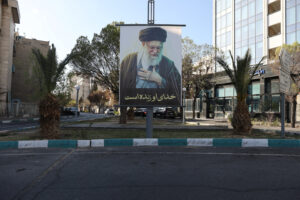
In the Middle East, the financial costs are intertwined with fears of instability. Energy markets reacted quickly to the strikes, pushing oil prices higher and raising concerns about supply disruptions through key shipping corridors. It is stated forecasters that prolonged tension could ripple through global trade networks, affecting fuel prices and consumer costs farther than the immediate theater of operations.
A rising uncertainty carries its own toll on civilians in/around the potential conflict zones. Families weigh the risks of displacement, economic disruption and retaliatory violence. Humanitarian groups warn that even limited strikes can destabilize fragile local economies, intensify sanctions pressures and complicate access to food and medical supplies. Regional governments have adopted a cautious diplomatic tone, urging de-escalation while balancing strategic alliances. Behind closed doors, diplomats are reportedly working to prevent miscalculations that could spiral into a broader confrontation.

Supporters of the action argue that decisive strikes may ultimately prevent a costlier conflict by reinforcing deterrence, featuring a strategic calculus with long-term implications. Critics counter that history offers sobering lessons about limited interventions, evolving into open-ended commitments.
The true financial burden may only become clear over time. Past military engagements have shown that initial combat operations represent just a fraction of eventual expenditures, as reconstruction efforts, veteran care and longstanding security commitments would extend costs for years.
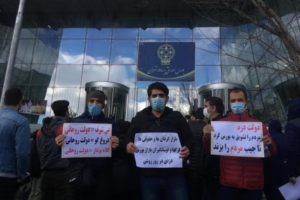
In the meantime, the billion-dollar threshold serves less as a final-count than as an early indicator, showing how fast warfare can strain public finances, even with political consensus backing.
As global energy markets fluctuate and diplomatic channels remain active, the central question facing the current war-campaign will be: what measurable outcomes will justify this expanding budget that is both in dollars and human consequences?