

Full-swing of Electric Public-Bus-Transit System, will Proffer Economic Relieve Across Africa
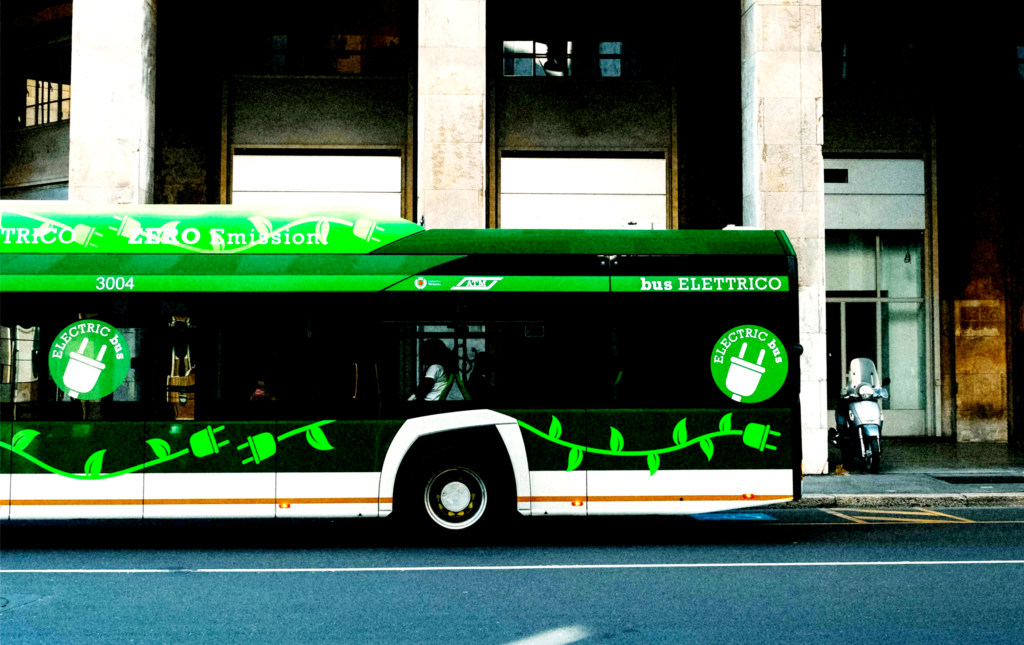
Across major urban centers in Nigeria/Africa, commercial public transportation-evolution is quietly wading on roads that have been dominated by fuel-powered minibuses for a long time. From the bustling corridors of cities in the West Africa region, to the East Africa haven of Rwanda, electric commercial transportation are beginning to reshape how people transit from one place to the other, and how much they pay to do so.
Early deployments in Abia, Lagos, Abuja and Maiduguri are testing whether electric transit can ease the daily strain on commuters facing rising fuel costs and unreliable transport options. Programmes such as Abia’s Green Shuttle and privately driven efforts in Lagos are rolling out buses with ranges exceeding 400 kilometres, offering quieter rides and, in some cases, significantly lower fares.
The most immediate impact is financial for many passengers. Transport operators that switching from petrol or diesel to electricity or CNG in Nigeria, are sharply reducing their running costs. In Maiduguri, locally assembled solar-powered minibuses, built by an entrepreneur – Mustapha Gajibo, have been operating at prices below conventional vehicles. And this scheme has been offering relief across different regions, defined incomes status. “I spend less getting to work now; and if it stays this way, it changes everything”, said a commuter in Lagos, who use one of the new electric shuttle routes.
Yet, apart from individual savings, the bigger economic implications are drawing attention. Nigeria’s heavy dependence on imported fuel before now and onwardly, exposes the transport sector/commuters to price shocks. By transferring part of urban transportation onto electric-transportation, particularly with solar-powered systems, policy planners see a pathway to reduce, pressure on foreign exchange and stabilise transport costs over time and aid commuters.
Government-backed initiatives are beginning to align with this vision. In Abia State, authorities are not only deploying buses but also promoting local assembly, a move aimed at creating jobs and building technical capacity. In Lagos, partnerships between private operators and energy firms are testing scalable models that could attract investment into charging infrastructure and fleet expansion.
Nonetheless, the transition is far from being seamless. On one aspect, transport unions and drivers, many of whom rely on daily earnings from conventional minibuses, are watching cautiously. Also, the upfront cost of electric vehicles remains high; and without accessible financing, widespread adoption would be stalled. Questions also linger about the reliability of Nigeria’s power supply, which is an issue that could undermine confidence, if charging networks infrastructure is not available, or fail to keep pace.
However, some health experts point to immediate social gains that are harder to ignore. In densely populated cities, where exhaust fumes contribute to respiratory illnesses, zero-emission buses offer a tangible improvement in air quality. Reduced noise pollution is another benefit, especially along heavily trafficked routes, where engine-roar has become part of daily life.
Urban planners argue that electric buses may also perform better in the bus/stop-to-bus/stop commercial transit-congestion, typically seen across Nigerian cities. Unlike fuel engines, electric motors do not waste energy while idling, making them more efficient in traffic-heavy environments.
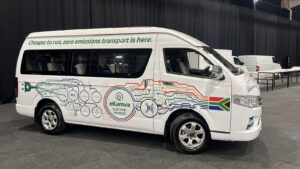
Across Africa, similar experiments are unfolding. Cities in Ethiopia and Rwanda have moved more aggressively, pairing electric bus rollouts with policy incentives such as tax exemptions and infrastructure investments. Their progress is increasingly cited as a benchmark for Nigeria’s ambitions. Ethiopia and Rwanda are emerging-frontrunners in Africa’s transition to electric transportation, pairing large-scale electric bus deployments with aggressive policy incentives, aimed at accelerating adoption and building long-term sustainability.
In Ethiopia, the shift has been driven by a decisive regulatory move. In 2024, the government became the first globally to ban the import of non-electric vehicles, excluding heavy-duty trucks, effectively forcing a rapid pivot towards cleaner transport. The policy is backed by significant infrastructure ambitions, including plans to install more than 2300 electric vehicle charging stations over the next decade. The country has also begun integrating electric buses into its public transport system. By April 2025, more than 100 e-buses were operating in Addis Ababa, with authorities targeting several hundred more in the near term, to ease urban mobility and cut emissions. This transition is reinforced by Ethiopia’s energy mix, which is approximately 90% renewable, allowing the country to reduce its dependence on imported fossil fuels and conserve scarce foreign exchange.

Meanwhile, Rwanda is advancing its own e-mobility agenda through targeted fiscal and regulatory incentives. A 2023 policy package, eliminated import duties and value-added taxes on electric vehicles, while introducing preferential electricity tariffs for charging. These measures have contributed to a sharp rise in adoption, with electric vehicles uptake, increasing by nearly 400% between 2023 and 2024. Kigali’s strategy places particular emphasis on electrifying public transportation and motorcycles. These are segments that dominate urban transport-mobility. Authorities are actively encouraging bus operators to transition to electric fleets, as part of wider efforts to curb air pollution and meet national climate targets.
Complementing this push, are new building regulations by Rwanda government that mandates realtors to install EV charging points in new developments, showing a long-term commitment to infrastructure readiness. Across both countries, the transition is being framed as an environmental imperative and economic opportunity. Governments are seeking to leverage climate finance, stimulate local manufacturing and services and create jobs, linked to the emerging electric transport-mobility value chain.
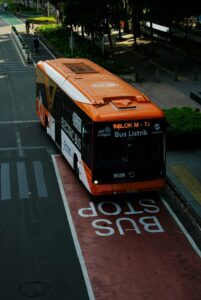

And looking back into Nigeria, the success of these early EV transit buses pilots, may depend less on technology and more on governance/political will, how well authorities can coordinate policy, financing, and infrastructure, to support this delicate-hope of promise in public transportation-window.
In the meantime, the sight of electric minibuses, weaving through traffic, offers a glimpse of what could become a defining change in urban mobility; a system where cleaner air, quieter streets and more affordable transportation, are not distant goals but daily realities for millions of people.