
Mozambique Faces Uncertain Security Future, as Rwanda Hints on Possible Military Withdrawal
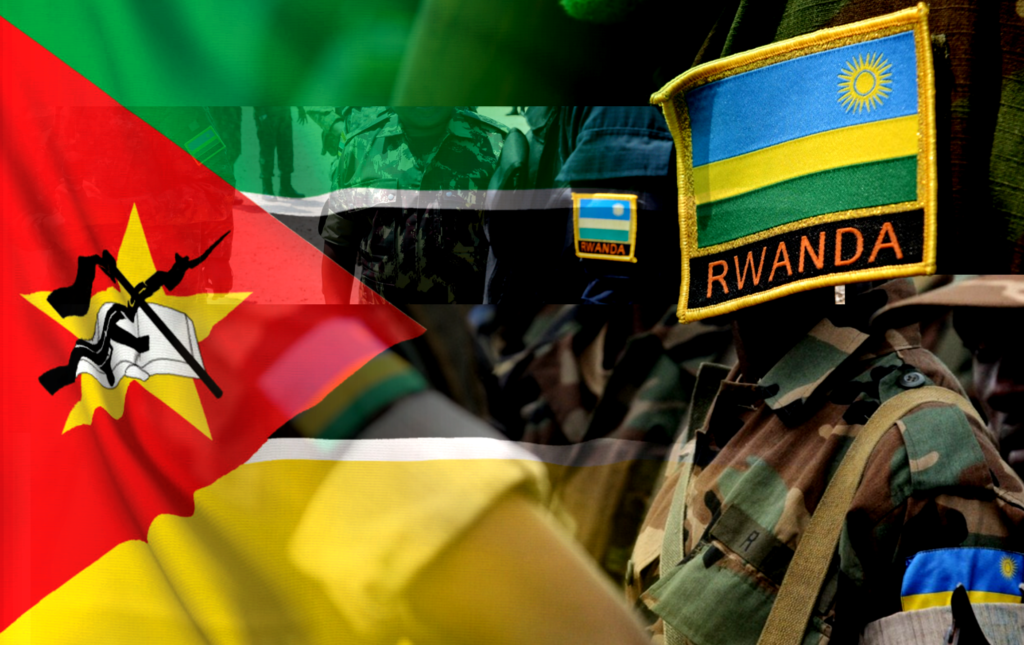
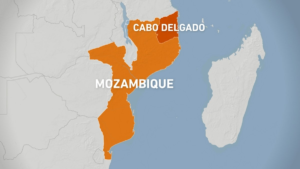
A warning from Rwanda that it may withdraw its forces from northern Mozambique is raising fresh concerns over the fragile security situation in Cabo Delgado, a conflict-hit province where civilians have borne the brunt of years of insurgency.
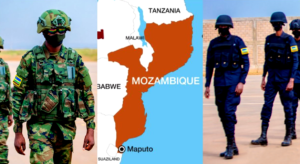
The potential pullout is tied to funding uncertainty. The European Union, which has supported Rwanda’s deployment with tens of millions of euros, has indicated it could end financing by mid-2026. Without that backing, the continued presence of Kigali forces mitigating insurgence in the northern Mozambique, is no longer guaranteed, placing Mozambique at a critical junction.
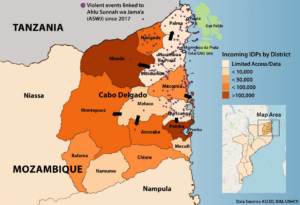
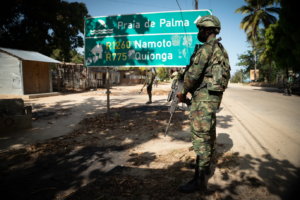
Since 2021, Rwandan troops have played a central role in pushing back Islamist insurgents, particularly around strategic towns and energy installations location. Their intervention has helped restore a degree of stability, after militants linked to Islamic State – affiliated to Ahl al-Sunnah wa al Jamma’ah (ASWJ), popularly known as Al-Shabaab, seized key areas, disrupted gas projects and displaced thousands of residents. In these locations, many communities saw the arrival of foreign troops as means for cautious return to markets, schools, farming, daily livelihood transaction, etc.
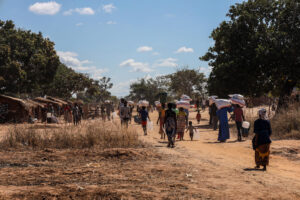
But that sense of stability has remained uneven and fragile. While key economic zones, especially those tied to gas extraction, have been prioritised, many rural communities continue to face sporadic attacks, with limited state presence and deep poverty. Even then, critics argue that the security strategy has protected investments more effectively than people.
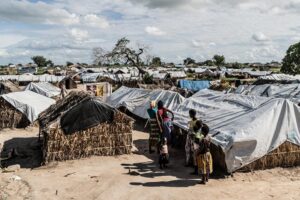
Cabo Delgado itself, reveals this contradiction. Despite vast reserves of natural gas, rubies and timber, it remains one of Mozambique’s poorest regions. Feelings of exclusion and neglect have fuelled local grievances, allowing insurgent groups to recruit members from among disenchanted youth. With respect to most families displaced multiple times, their strong concerns is more about survival, access to food, safety and a stable livelihood, than about geopolitics.
If Rwandan troops withdraw, some analysts and security professionals warn that there will be a likely huge security vacuum. Previous attempts at engaging regional intervention, including efforts by the Southern African Development Community, was darkened with the struggled over coordination and long-term commitment. A renewed reliance on such multilateral forces, may face the same limitations. Mozambique’s government could instead strengthen bilateral security ties, particularly with neighbouring Tanzania, which shares both a border and security-risks linked to the insurgency. Nevertheless, scaling up such cooperation, would require political will, funding and trust, which are resources that might not guaranteed.
Surpassing military calculations in this suggested high-red-alert locations, the insurgency situation raises bigger political and social questions. The heavy reliance on external forces, emphasizes longstanding weaknesses in Mozambique’s own security institutions. It also exposes a serious governance challenge, on how to rebuild trust in a region where communities often feel sidelined, from the benefits of natural resource wealth.
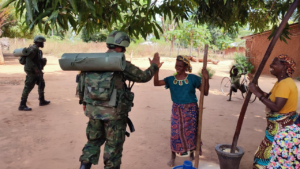
Althrough now, civilians are often at the immediate-face of the insecurity challenge, be it in Cabo Delgado, Nigeria, the Sahel region or anywhere across Africa. So, any disruption in security operations, or security withdrawal in north-Mozambique, could lead to renewed attacks, further displacement and worsening humanitarian conditions. At the moment, more than 600,000 people have already been uprooted from their ancestral home, since the rise of insurgency escalated; and aid agencies have been warning that gains of stable-peace made in recent years, may remain reversible if withdrawal of security personnel take place.
Diplomatically, the looming withdrawal call would tests regional solidarity. While African-led solutions are often emphasized, the Cabo Delgado crisis highlights the gap between political commitments and operational capacity. It also raises questions about the role of international partners, whose financial decisions over commitment, can abruptly reshape realities on the ground in this region.
Ultimately, the future of Cabo Delgado may depend less on who replaces Rwanda militarily, and more on whether Mozambique can address the root causes of the insurgency, alongside poverty, exclusion and uneven development. Without this attainment, security gains may risk remaining temporary, leaving communities to continue to live on the frontline of a crisis that shows little or no sign of ending.