

Guinea-Bissau Citizens Head to Polls on Expanding Presidential Powers Ahead of Civilian Rule
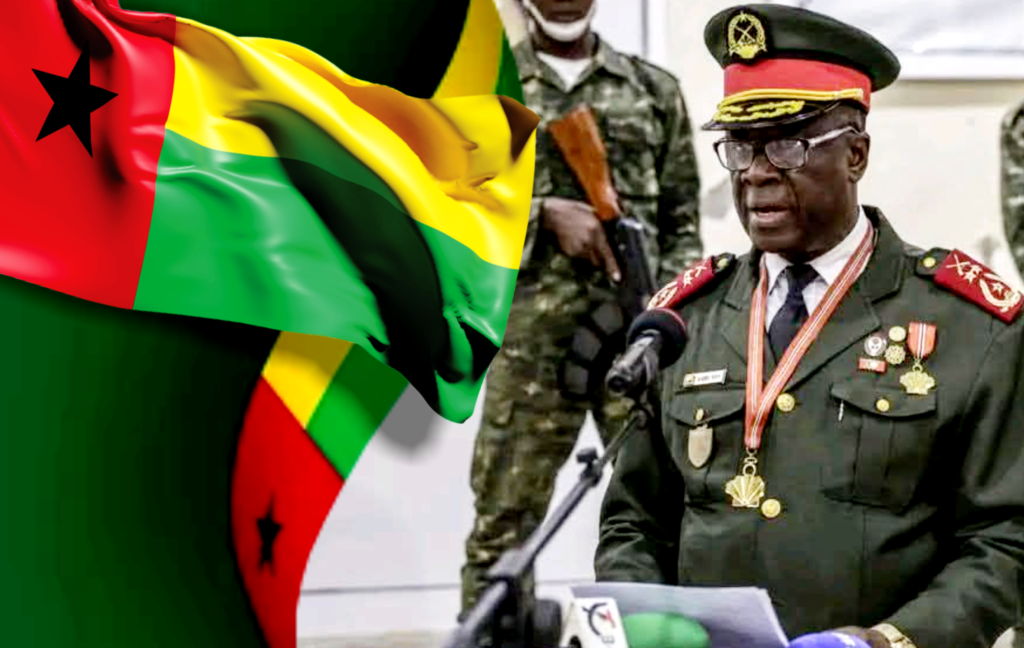
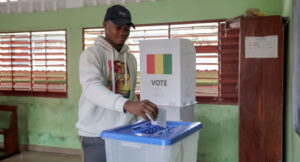
Guinea-Bissau is set to hold a constitutional referendum on August 30, giving citizens the opportunity to decide whether the country should shift from a parliamentary system to a presidential form of government in a move that could significantly reshape its political future.
The referendum, announced in a decree issued by the country’s military-led transitional authorities on Monday, comes ahead of December 6 elections aimed at restoring civilian rule after the military seized power in November, days after a disputed presidential election.
If approved, the constitutional amendment would grant the president broader executive powers, including the authority to appoint the prime minister and cabinet ministers, as well as dissolve parliament. Supporters argue that the changes could help reduce prolonged political deadlock, strengthen decision-making, and provide the stability needed to improve governance and revive economic activity.
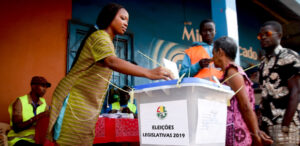
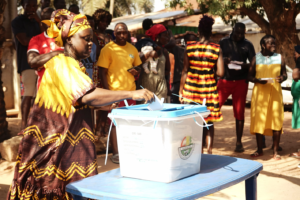
The ordinary citizens view referendum as a scheme that represents more than a constitutional exercise. It is seen as a chance to influence the country’s political direction after years of instability that have slowed development, weakened public institutions, and limited access to quality healthcare, education, jobs, and other essential services.
Political stability is widely regarded as a key requirement for attracting investment, creating employment opportunities, supporting agriculture and small businesses, and improving public infrastructure. Analysts say a more stable governance structure could also strengthen public confidence and encourage development partners to deepen support for the country’s economic recovery.
However, critics caution that concentrating more powers in the presidency could weaken institutional checks and balances if not accompanied by strong democratic safeguards, an independent judiciary, and effective parliamentary oversight. The outcome of the referendum is therefore expected to shape not only the country’s political system but also the future of democratic accountability.
The military authorities have maintained that transitional leader General Horta N’Tam will not contest the presidential election, a commitment first announced in December as part of the transition roadmap.
Since gaining independence from Portugal in 1974, Guinea-Bissau has experienced repeated political crises, including five military coups and several attempted takeovers. Frequent changes in government and coalition disputes have often disrupted policymaking and delayed reforms needed to improve living standards.
Under the existing parliamentary system, the prime minister has traditionally emerged from the parliamentary majority, a process that has at times produced fragile coalition governments and prolonged political uncertainty.
Former president Umaro Sissoco Embaló, who was removed from office in the 2025 military takeover, had governed largely by decree after dissolving the opposition-controlled parliament in December 2023, highlighting the institutional tensions that have continued to shape Guinea-Bissau’s political landscape.
As the referendum approaches, many citizens will be weighing whether expanding presidential authority offers the best path toward lasting stability, stronger governance, economic growth, and improved opportunities for communities across the country, or whether preserving a balance of power remains essential to protecting democratic institutions.