
Liberia’s Cocaine Seizure Raises Questions on Security, Accountability and Public Trust
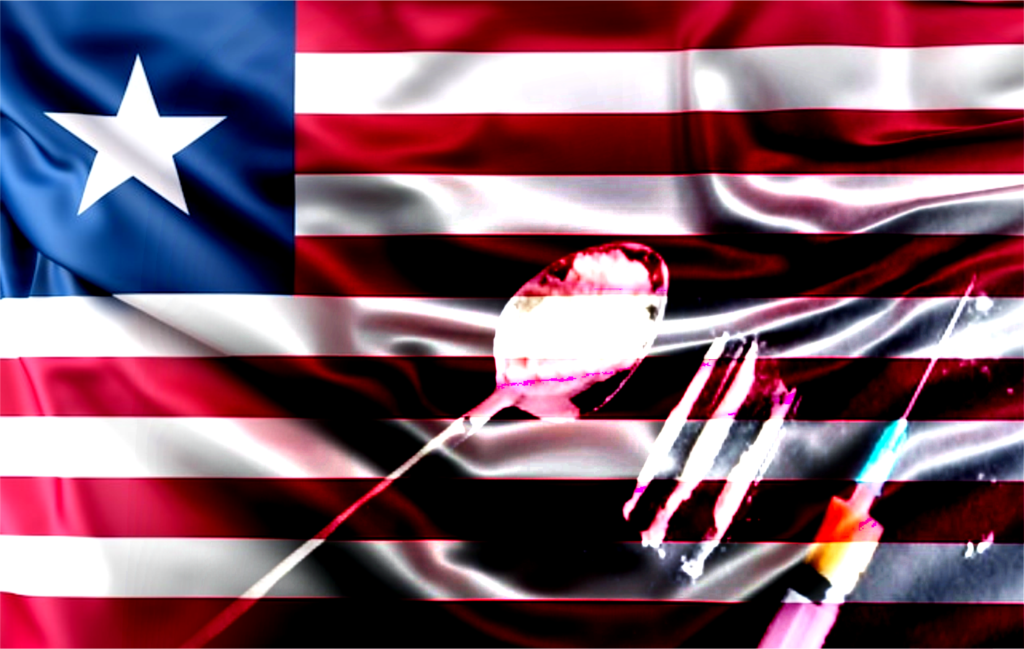
In Monrovia, Liberia’s largest-ever cocaine seizure has become more than a major law enforcement operation. It is rapidly evolving into a national test of government transparency, institutional integrity, and the country’s ability to confront organized transnational crime beyond headline-grabbing arrests.
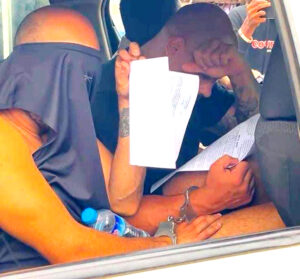
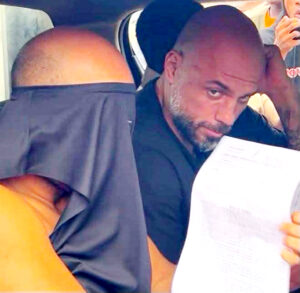
Authorities announced the seizure of 3,971 kilograms of cocaine, estimated to be worth US$317.68 million, in the VOA community on July 21. The Liberia National Police (LNP) and the Liberia Drug Enforcement Agency (LDEA) described the operation as unprecedented in the country’s history. Within days, two suspects connected to the case were remanded to Monrovia Central Prison to await further court proceedings.
While the arrests mark an important first step, the scale of the operation has fueled growing public debate over whether the investigation will reach those who allegedly financed, facilitated, and protected such a massive shipment, or stop with a limited number of defendants.
Security analysts and governance advocates note that nearly four metric tons of cocaine represents a sophisticated international trafficking operation requiring extensive planning, logistics, financing, and local coordination.
Such quantities typically involve multiple actors, from international suppliers and transport networks to local facilitators, cargo handlers, clearing agents, and individuals responsible for moving shipments through ports, airports, or coastal entry points. The magnitude of the seizure has therefore shifted public attention from the drugs themselves to the systems that may have allowed them to reach Liberian territory.
Questions continue to emerge over how the shipment entered the country, whether security protocols failed, and whether weaknesses within public institutions may have been exploited by organized criminal networks. The case comes only weeks after authorities intercepted another shipment containing 237.6 kilograms of cocaine, reportedly concealed inside cargo declared as seasoning cubes at Roberts International Airport.
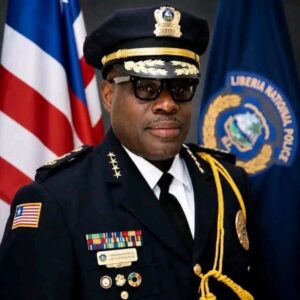
Taken together, the two seizures have intensified concerns about possible vulnerabilities in Liberia’s border management and customs enforcement systems. Authorities have also disclosed allegations of attempted bribery connected to recent investigations. The reported suspension of Deputy Commissioner for Crime Services Col. Johnny Dean following allegations that he accepted money to assist suspects has added another layer of scrutiny to the investigation.
Although the allegations remain subject to due process, the development has reinforced public calls for a thorough examination of whether corruption extends beyond individual officers to broader institutional practices. The case is about more than criminal prosecutions, reflecting bigger concerns about governance, accountability and public confidence in state institutions.
Community leaders and civil society organizations argue that major drug trafficking carries consequences extending well beyond law enforcement. They warn that organized narcotics networks can weaken public institutions, increase corruption risks, expose vulnerable young people to criminal recruitment, and damage Liberia’s international reputation at a time when the country is working to attract investment and strengthen economic recovery.
Residents also fear that if the full network behind the shipment is not dismantled, trafficking organizations could become further entrenched, placing additional pressure on already limited security resources.
Legal experts and governance advocates have increasingly urged the government to complement criminal prosecutions with an independent inquiry capable of examining institutional failures alongside individual criminal responsibility.
Supporters argue that such a process could help determine whether security lapses resulted from negligence, corruption, or wider structural weaknesses, while identifying reforms needed to strengthen oversight of ports, airports and border operations. Others caution that any independent review should respect judicial independence, ensure due process, and avoid prejudging the guilt of individuals before evidence is fully examined in court.
The administration of President Joseph Boakai entered office pledging stronger governance and adherence to the rule of law under its ARREST Agenda for Inclusive Development. The current investigation now presents an opportunity to demonstrate that commitment through transparent legal processes, institutional reforms, and continued cooperation among security agencies.
At the same time, legal experts emphasize that allegations alone do not establish criminal liability, and that all suspects, including public officials, are entitled to the presumption of innocence until proven guilty in court. As this Liberia’s recorded cocaine seizure, represents both a significant law enforcement success and a reminder of the increasingly sophisticated nature of transnational organized crime in West Africa.

Whether the case ultimately strengthens public confidence will depend not only on the prosecution of those already in custody, but also on whether investigations establish how the shipment entered the country, identify any broader criminal networks involved, and lead to reforms that reduce future vulnerabilities.
In regard to most Liberians, the ultimate measure of success will not be the quantity of drugs seized, but whether the investigation produces lasting institutional accountability and reinforces public trust in the country’s justice and security systems.