
Senegal: President Faye Dissolved Government, Stall Debt Crisis to Battle for Senegal’s Future
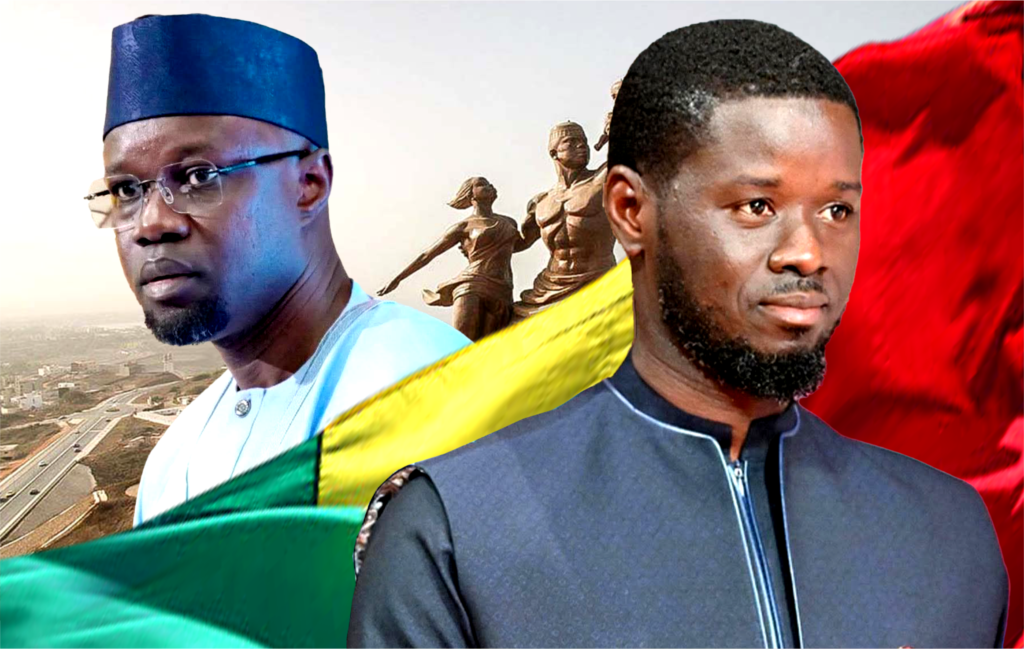
A dramatic political rupture at the heart of Senegal has exposed the fragile balance between reformist ambition, economic hardship and the realities of governing one of West Africa’s most politically influential democracies, Republic of Senegal.
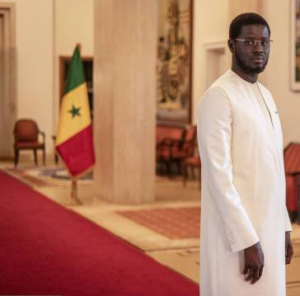
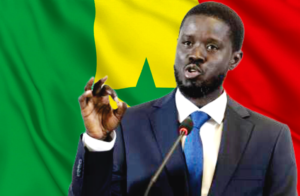
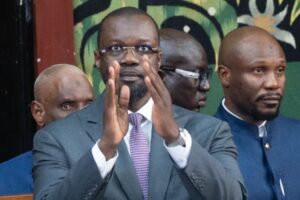
President Bassirou Diomaye Faye on May 22 dissolved the government and dismissed Prime Minister Ousmane Sonko, ending months of escalating tensions between two men, who were once viewed as inseparable political allies. Their alliance powered a historic 2024 electoral victory built on promises of economic sovereignty, anti-corruption reforms and a decisive break from entrenched political elites.
But behind the public image of unity, officials, analysts and grassroots political organizers, say a expanding struggle had been unfolding, a fight driven by personality clashes and competing visions, for how Senegal should confront its worst financial crisis in decades. The soul of the fight, is the discovery of previously undisclosed public liabilities, accumulated under the administration of former President Macky Sall. The revelations sharply increased estimates of Senegal’s debt burden, alarming investors, freezing key international financing channels; and placing severe pressure on state finances. The consequences are already visible in rising living costs, delayed infrastructure projects, youth unemployment and growing anxiety about economic stability, to ordinary Senegalese citizens.
In working-class districts of Dakar and regional towns already struggling with inflation, many residents fear that the political fallout could extend social hardship. Small business owners complain that access to credit has tightened, while public-sector workers worry about delayed government spending and shrinking social support programs. From this perspective, the crisis transcends politicians just fighting each other, to considering if ordinary people can still afford food, transportation, opportunities, several individual bills as it goes on.
The collapse of the Faye-Sonko partnership is especially significant, because both men symbolized a generational political change. They campaigned as anti-establishment reformers, promising transparency, institutional accountability and economic independence from external influence. Their movement, energized millions of young voters frustrated by unemployment, socio-disparity and perceptions of elite privilege. Yet, governing/governance has exposed tensions that is between dual-nationalists political rhetoric, and the demands of international financial diplomacy.
The government’s dispute with the International Monetary Fund, illustrates that contradiction. IMF support negotiations stalled after the discovery of hidden debt obligations, triggered concerns over fiscal credibility and economic transparency.
International lenders have demanded fiscal reforms, spending discipline and a revised macroeconomic framework, before restoring confidence and approving further financial assistance. But, parts of Sonko’s political camp, resisted measures viewed domestically as externally imposed austerity conditions, which could worsen poverty and social inequality. This disagreement, evolved into a bigger ideological debate over sovereignty, economic dependency and the future direction of Senegal’s development model.
Supporters of President Faye claimed that dissolving the government was necessary to restore coherence, at the top of the state; and prevent internal divisions from paralyzing urgent economic decisions. Officials close to the presidency, describe the change as an “institutional reset”, intended to stabilize governance and strengthen Senegal’s negotiating position, internationally.
However, warnings becloud the air that consolidating executive power, without comprehensive political consensus, risks weakening democratic accountability, in a country that has been regarded as one of West Africa’s most stable constitutional systems, for a long time. In an overall view, the stakes extend beyond domestic politics.
Senegal remains a strategic diplomatic and economic actor in West Africa, particularly as the region faces democratic backsliding, military coups and growing public distrust of political institutions. Regional observers say, prolonged instability in Dakar could affect investors’ confidence, regional trade coordination and security cooperation across the subregion.
Despite the crisis, economists note that Senegal still possesses important long-term advantages, including infrastructure expansion, energy resources, a youthful population, strong regional commercial links, etc. If managed transparently, the reforms that will emerge from the current crisis, could eventually strengthen public financial oversight and rebuild institutional credibility.
Nonetheless, the immediate concern for many Senegalese citizens is survival, rather than political theory. In markets, universities, transport hubs, grassroots social-clusters, etc. across the country, conversations are increasingly centering on jobs, daily provisions, commodities’ prices; and whether the promises of democratic renewal can still translate into tangible economic improvement.
The dismissal of Sonko and the dissolution of government, may therefore mark more than a political divorce. It could become the defining test, of whether Senegal’s reform movement can transform popular anger into durable governance, without sacrificing democratic trust or expanding the social pain that is already felt by millions of Senegalese.