
UAE Breaks-off from OPEC/OPEC+ today May 1st, 2026; Disrupting the Global-Stage of Energy
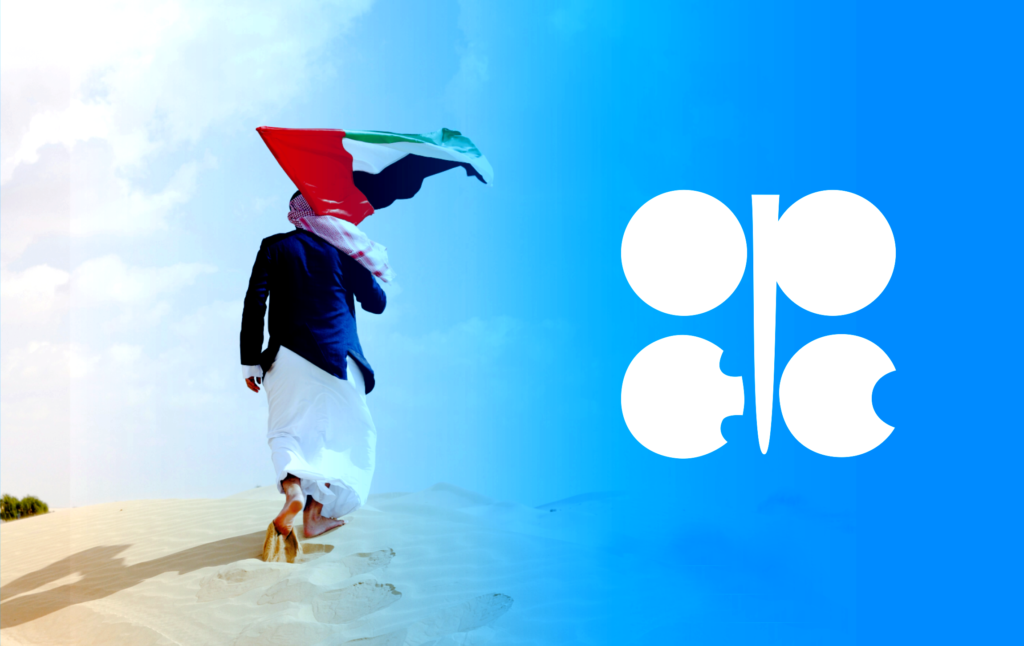
The global energy politics is already getting a signal of its curves heading for a reshaping, as the United Arab Emirates has formally exited the Organization of the Petroleum Exporting Countries and its broader alliance – OPEC+, effective May 1, 2026. The decision draws and end of decades of coordinated oil production strategy and signposts a decisive transition towards energy independence and economic self-assertion.
The UAE decision hubs a simple calculation of resource-control. By stepping outside OPEC/OPEC+ quotas, the UAE can now ramp up production in a direction of its stated capacity of 5 million barrels per day, freeing itself from the limits that no longer reflect its growing investment, in oil infrastructure. With the production figures based on their current capacity, the departure shows a stronger recalibration of national priorities, in a world where energy markets are increasingly unstable and politically charged.

Regarding the global energy markets, the immediate effect of this development is uncertainty. Because the exit of one of the group’s largest producers that accounts for a significant share of collective output, could weaken OPEC/OPEC+’s ability to stabilize prices. In practical terms, this may translate into sharper price swings, with a ripple-impacts-wave blowing farther than oil-exporting nations. As for oil import-dependent economies, including many across Africa, volatility could mean fluctuating fuel costs, transport disruptions and reintroduced pressure on the already fragile domestic incomes.
At the grassroots level, the story will be more complex. In theory, increased UAE production could ease supply constraints and moderate prices over time, offering some relief to consumers and small businesses, burdened by high energy costs. In countries like Malawi, Zimbabwe, Central African Republic (CAR), Sierra Leone, Mali & Burkina Faso, Senegal & Cameroon, Seychelles and Nigeria, where fuel pricing remains a politically sensitive issue, disruption in global oil supply often trickle down into everyday realities, from the cost-implication of public transport to the price of food in local markets.
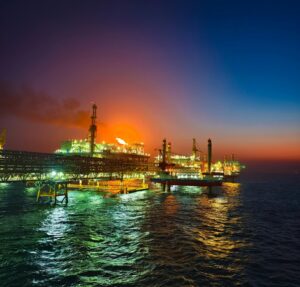
Economically, the UAE’s decision drives a bigger ambition to maximize national revenue, habitate resource-control, during this period of the Strait of Hormuz’s drama that has surged oil prices; even as they (UAE) simultaneously invests in renewable energy and diversification. By decoupling from OPEC/OPEC+, Abu Dhabi gains the flexibility to respond quickly to market opportunities, potentially strengthening its fiscal position and funding long-term development projects. This dual-track strategy of expanding their oil-output, while preparing for the energy-business-future of a post-OPEC/OPEC+ exit, places the UAE among a growing number of producers, hedging against energy transition risks.
However, the UAE’s transition introduces new tensions, politically. The exit is widely seen as a challenge to the de facto leader of OPEC/OPEC+ – Saudi Arabia; and it raises questions about the cohesion of the alliance, at a time as this, when unity has been a critical-tool to managing supplies. It also reveals a repositioning of regional dynamics, including strategic-disagreements tied to Iran’s influence and a comprehensive geopolitical alignments in the Gulf bloc.
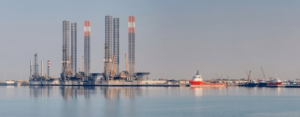
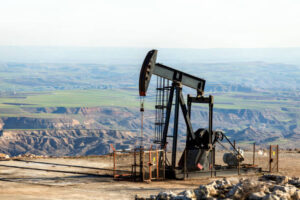
In an official position diplomatically, Abu Dhabi have framed the exit as an evolution, as against the notion of being disruptive-rupture, insisting that cooperation with OPEC/OPEC+ members, will continue informally. Whether this reassurance would hold in practice, becomes a future outcome that is uncertain. Energy diplomacy has been depending on trust and coordination for a long time, and any perception of fragmentation could embolden other producers to reconsider their commitments too.
The generic-fate of the ordinary citizens, whether in oil-producing states or energy-importing economies, would feel the immediate and tangible implications. Fuel prices, job stability in energy-linked sectors, and the cost of living, all hang in the balance at the moment, waiting to see where/how the pendulum-effect of the UAE’s exit will swing. As the UAE charts its independent course, the world is left to navigate a more fragmented, less predictable oil landscape, where sovereign-self-interest is undermining joint security frameworks.