
Africa’s Transnational Prosperity Divide in 2026; Islands of Wealth, Continents of Contrast
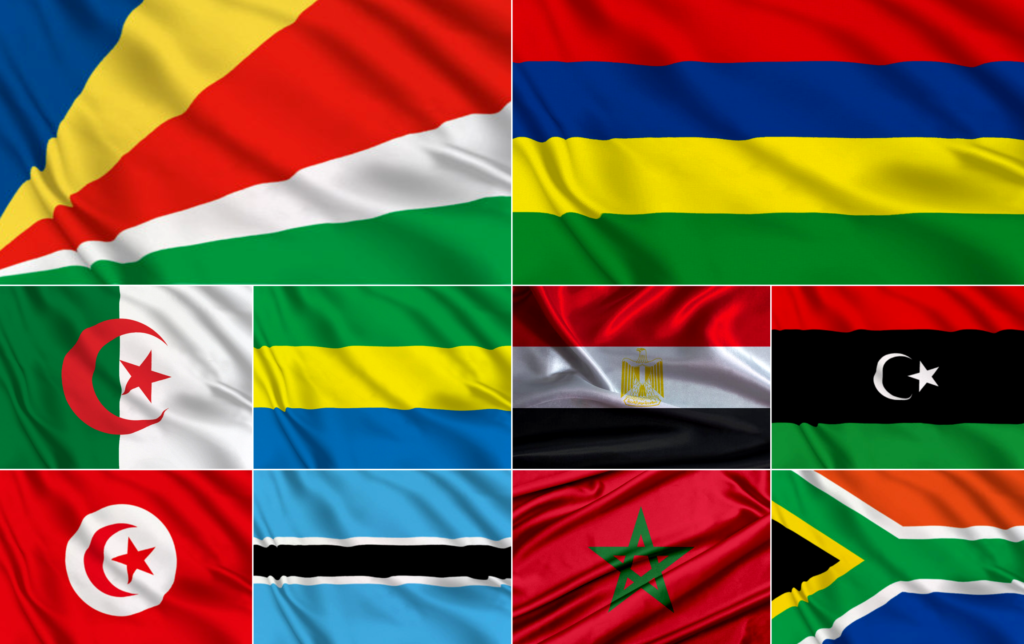
Year 2026 that is marked by global economic uncertainty, African countries’ prosperity map is telling a story characterized by subtle, delicately-complex shades of national wealth expression, concentrated success, structural imbalance and emerging opportunity. The 2026 Prosperity Index, places the island nation of Seychelles firmly at the top, with a near-perfect score of 98.09; emphasizing how small, well-managed economies can outperform larger peers when governance, human development and economic strategy align.
Trailing behind, but still commanding strong positions are the following countries Mauritius (77.09) and Algeria (54.24); each reflecting different pathways to prosperity, with one’s root in financial services and institutional stability and the other in natural resources wealth and redistributive frameworks. The rankings reveal a continent split between high-performing niche economies and larger states grappling with disparity and structural constraints. While the topmost 10 countries include Gabon, Egypt, Libya, Tunisia, Botswana, Morocco and South Africa, their positions reflect varying degrees of economic strength and social inclusion.
 Seychelles
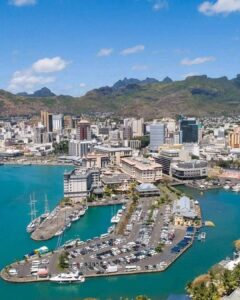 Mauritius
Fundamentally, the index measures prosperity on a scale of 0-100, combining indicators such as GDP (PPP), Gross National Income, the Human Development Index, income distribution and poverty levels. This multidimensional approach, shifts the focus away from raw economic size to subsisted realities, how national wealth translates into healthcare, education, quality of life, better-life, etc.
Although, the reason why small island states are winning, like the dominance of Seychelles and Mauritius, is not accidental. Both countries have leveraged geographic constraints into strategic advantages. Tourism, financial services and policy stability, have created high-income environments with relatively equitable distribution.
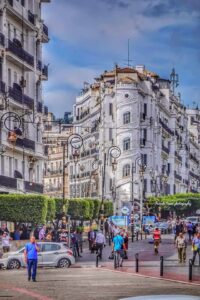 Algeria
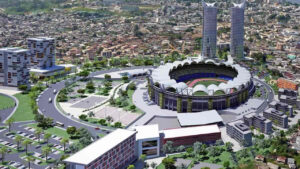 Gabon
Gabon
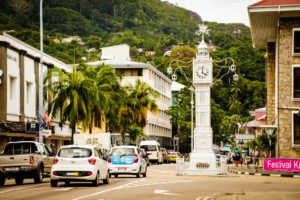
In Seychelles, tourism revenue has been reinvested into social infrastructure, delivering strong public services and high human development outcomes. Meanwhile, Mauritius has evolved into a financial gateway between Africa and Asia, attracting global capital through regulatory clarity and political predictability. As concerning global investors, these models signal that scale is not always decisive. Instead, governance quality, diversification and openness to international markets, can yield outsized returns, even in small economies.
Further down the list holds some colouration of resource paradox. Countries like Algeria and Gabon, illustrate Africa’s enduring reliance on natural resources. Oil and gas revenues have boosted national income, and in some cases, they have enabled redistributive policies that reduce disparity in social-status. Anyhow, this national prosperity comes with caveats. Heavy dependence on commodities, exposes these economies to global price shocks, while slowing diversification risks long-term stagnation. Policymakers in these countries are increasingly under pressure to channel wealth from natural resources into manufacturing, technology, infrastructural and human capital development.
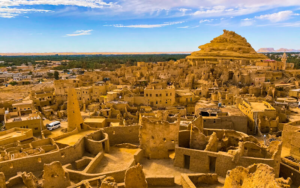 Egypt
Egypt
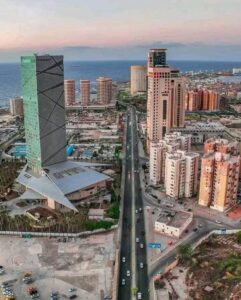 Libya
Libya
But there are large economies that are not included, or are taking least position in this index. Perhaps, the most striking insight from the index, is the relatively low-ranking of Africa’s largest and most industrialized economies like South Africa. For instance, South Africa takes the tenth-position with a scorecard of 26.53, highlighting how deep-rooted factors like unemployment and social-dichotomy/fragmentation can dilute national wealth. Likewise, while Egypt and Morocco rank higher, their positions mirror the ongoing efforts to balance macroeconomic growth with social inclusion. Infrastructure expansion, industrial policy and social protection programs have delivered gains them. Even so, disparities still remain visible at the grassroots level.
As concerning the human impact, besides the profiled scores, the ordinary citizens does not believe that national prosperity is as an abstract index. They see and expect it to be an access to stable jobs, affordable healthcare, better-livelihood, quality education, good basic amenities, etc. In developed countries, these benefits are more consistently delivered, translating into longer-life expectancy and improved living standards. Whereas, in contrast, developing nations often face a disconnect between national wealth and individual socioeconomic well-being; as rapid urbanization, youth unemployment and uneven public services, continue to shape daily life, particularly in densely populated regions.
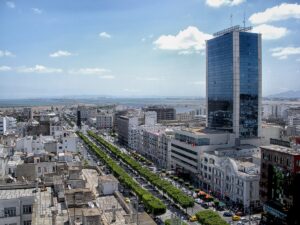 Tunisia
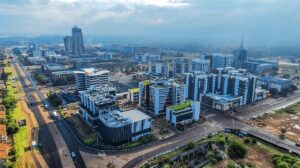 Botswana
The prosperity gap carries significant political implications. Governments in less-performing countries face mounting pressure to deliver inclusive growth, while those at the top must sustain public trust by maintaining transparency and equitable policies. Across the continent too, the index is likely to influence policy debates on tax reform, social spending, industrial diversification, digital transformation, etc. It also reinforces a wider change in how success is measured in economic output; and how effectively the output improves lives.
Taking a telescopic-view of Africa on the global economy-stage, her prosperity rankings offer both reassurance and caution. They highlight pockets of excellence, capable of attracting foreign investment and driving innovation, while also emphasizing systemic challenges that could hinder extensive continental growth. Most certainly, the message is clear to international partners that engagement with Africa, must move beyond resource extraction, to long-term investment in human capital, infrastructure and institutional capacity.
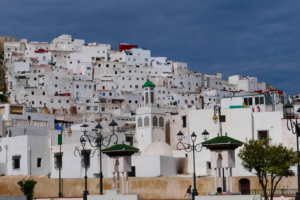 Morocco
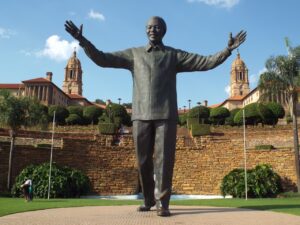
South Africa
As Africa navigates a rapidly changing global economy, the lessons from the 2026 Prosperity Index are both urgent and instructive. Sustainable prosperity will depend on diversification, inclusive policies, good governance reforms, etc. that bridge the gap between wealth and well-being.
In the meantime, the contrast of national wealth profile remains stark, with a handful of nations setting the pace, while others work to convert potentials into progresses. The question facing the continent is no longer whether prosperity is possible, but how broadly it can impact lives.
(SOURCE: HelloSafe Prosperity Index)