
Africa’s Creative Economy, Why the Continent’s Next Oil May Be Its Imagination
Africa’s wealth has been measured by what lies beneath the ground – oil, gold, diamonds and minerals for many years now. However, economists and industry stakeholders are seriously looking elsewhere; through the continent’s window, people, stories and creativity are beaming forth sustainably.
Africa’s creative industry is fast becoming one of its most promising economic frontiers. Once seen primarily as a cultural expression, the sector is now creating jobs, attracting investment, preserving heritage and offering governments a viable route to diversify their economies.
Current estimates of the creative industry, places Africa’s creative economy at nearly $60 billion, and supporting more than five million jobs. With the right policies, stronger intellectual property protection and amplified investment inflow in digital innovation, the figure could surpass $200 billion by 2030.

From Nigeria’s Nollywood and the global rise of Afrobeats, to Kenya’s digital media ecosystem and Southern Africa’s experimentation with AI-assisted music production, creativity is steadily becoming a major economic asset across the continent, connoting that future is already taking shape.
The AI Revolution Has Arrived. Artificial Intelligence is changing the rules of the game. Not so long ago, producing a film or recording an album, required expensive equipment, large studios and significant financial backing. Today, a talented young creator with a laptop and an internet connection can edit films, master sound, create visual effects, translate content and market it to audiences around the world.
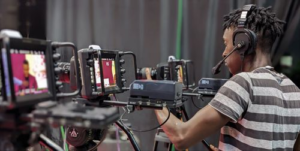

AI-powered tools are reducing costs and lowering barriers to entry, allowing creators from underserved communities to compete on the global stage.
In Nigeria, filmmakers are beginning to use AI to streamline post-production, while musicians are experimenting with AI-assisted production tools. In Kenya, AI is powering new opportunities in broadcasting, advertising and digital marketing. Across Southern Africa, technology is helping artists innovate, while preserving indigenous identities and cultural traditions.
Meanwhile, streaming platforms are helping creators in Central and North Africa overcome longstanding distribution challenges. The message is clear, Africa’s creative future will be both human and digital, because it clearly seems as Africa’s greatest resource, is not underground. And if Africa has a superpower, it is its youth.
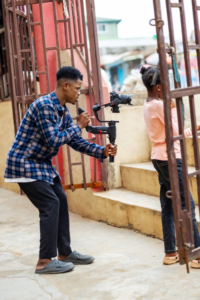
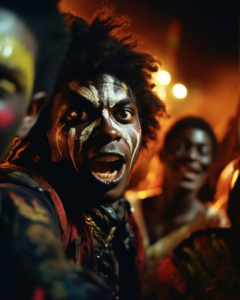

The continent is home to an estimated 890 million people under the age of 25, making it the present only human-ecosystem with the youngest population on Earth. This demographic advantage, could become one of Africa’s greatest economic success stories.
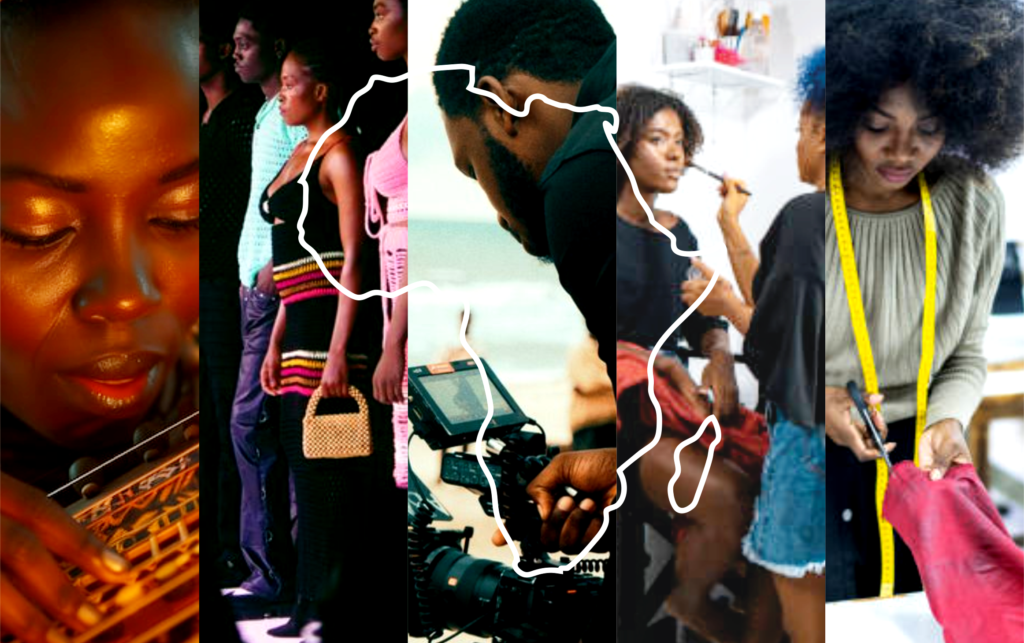
The creative economy extends far beyond actors and musicians. It also host and supports scriptwriters, photographers, editors, graphic designers, fashion entrepreneurs, game developers, software engineers, makeup artists, event managers and thousands of informal workers. And the impact doesn’t stop there.
Every successful concert, fill’s hotels. Every film production, hires transport operators and caterers. Every fashion show, creates opportunities for artisans, vendors and tourism businesses, etc. Creativity has one of the strongest multiplier effects of any industry. It is more than entertainment.


The creative industry is doing something that few sectors can achieve simultaneously. It creates wealth while preserving identity. Across Africa, artists protect indigenous languages with their creative dispense, traditional fashion, folklore and historical narratives that might otherwise disappear in a progressive globalized world.
Film, literature, music and digital storytelling, are helping nations define themselves while building bridges across cultures. Most young Africans firmly embrace creativity because, it is also an alternative to unemployment, social exclusion and migration. Community arts centres, digital hubs and grassroots initiatives, are nurturing talent that may otherwise never be discovered. At the flip, women in particular, are driving much of this growth with creative fashion dimensions.
Africa’s fashion industry alone is estimated to be worth approximately $73.6 billion, with women representing between 60 and 80 percent of the workforce in several markets. Away from fashion, women are seriously leading businesses in photography, cosmetics, textiles, modelling and digital entrepreneurship. In some part of Africa, governments are beginning to pay attention to this progression.
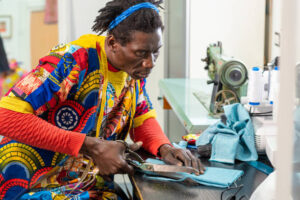

Some economic analysts believe that the creative economy offers governments something most valuable to sustainable revenue generation. Unlike oil wells or mineral deposits, intellectual property does not run dry. A successful song, film or television series can generate royalties, licensing fees and export earnings for decades.
As African content reaches larger global audiences, governments stand to benefit through taxation, tourism, foreign investment and increased trade. So, investment in creative infrastructure such as film villages, theatres, cinemas, recording studios, technology parks, etc., will also stimulate needs for construction jobs, enhance hospitality businesses, logistics and telecommunications.
Encouragingly, several African governments have begun introducing policies aimed at supporting creative entrepreneurs, through funding programmes, innovation hubs and skills development initiatives.


Consequently, despite its growing influence, Africa still captures less than three percent of the estimated $2 trillion global creative economy. The reasons are familiar. Investment remains limited. The sector receives less than one percent of Africa’s venture capital funding, notwithstanding its enormous potential. Many creators also struggle to retain ownership of their work, signing agreements that transfer copyrights and master recordings to foreign companies.
The consequences are significant. African artistes are achieving international fame, yet many continue to see little financial reward. Studies suggest that nearly six in ten African creators earn less than $100 per month. There are other obstacles too: weak copyright enforcement, inadequate infrastructure and fragmented digital payment systems, sustains to slow growth across the continent.
Moving forward in the Africa’s next economic story, a new chapter of her creative economy will depend on a few critical factors like stronger intellectual property protection, improved financial literacy, better infrastructure, holistic insurance scheme and innovative financing models that recognize intellectual property as a bankable asset.
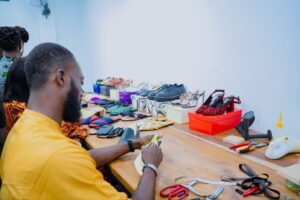

The African Continental Free Trade Area (AfCFTA) presents another opportunity, which is opening the door for easier movement of creative goods and services across borders. At the same time, growing investments in technology and innovation, are helping African startups build solutions tailored to local creative industries.
This momentum is undeniable. As artificial intelligence reshapes content creation and digital platforms continue to expand global access, Africa’s creative economy is emerging as far more than a source of entertainment. It is becoming a strategic pillar for employment, cultural diplomacy and inclusive economic growth.
With regards to a continent blessed with the world’s youngest population and one of its richest cultural landscapes, the future may not simply belong to those who control natural resources. It may belong to those who can tell the best stories. And Africa, has plenty of stories left to tell