
Zuckerberg’s Open-Access Manifesto, for Personal Superintelligence
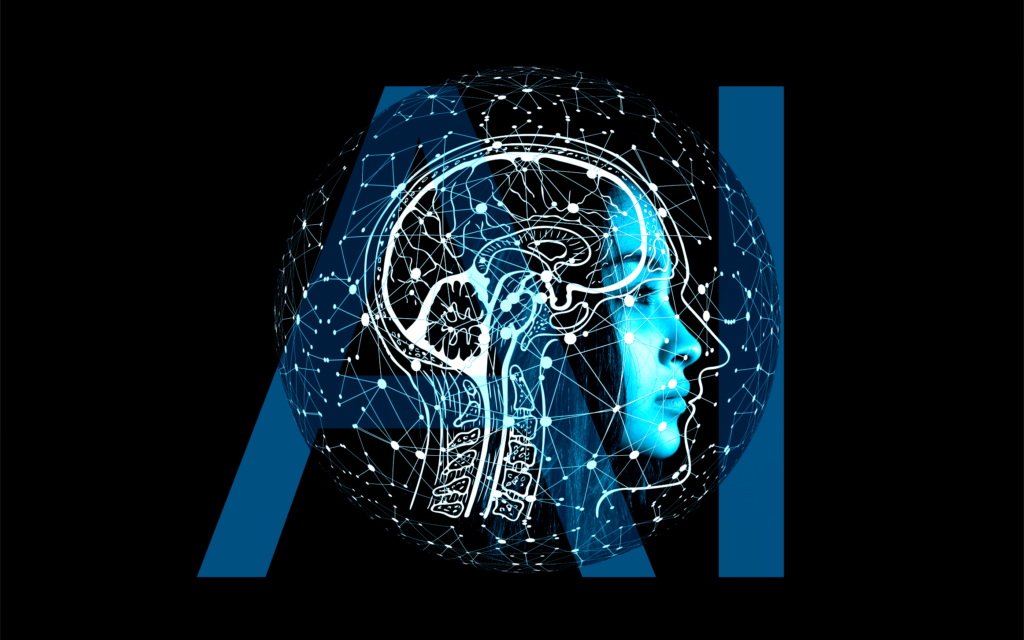
In a major move to redefine the trajectory of artificial intelligence, Meta CEO Mark Zuckerberg has issued a sharp defence of open-access AI, positioning it as a necessary safeguard against the concentration of power in the hands of a few elite institutions. Zuckerberg argues that the defining question of the current era, is not whether superintelligence will emerge, but if it will be restricted to a handful of corporations or distributed directly to the public, as a tool for individual empowerment.
Zuckerberg is championing a framework he calls “personal superintelligence”. Drawing parallels to democratic values and free-market economics, he claims that history proves concentrating absolute power, rarely leads to safe or positive outcomes. Instead of a central authority deciding what is best for society, Zuckerberg advocates for decentralised, open-weight AI models that empower individuals, rather than gatekeeping institutions. This perspective views AI not as a distant monolithic entity, but a widely accessible resource that functions as an intellectual force multiplier for every citizen.
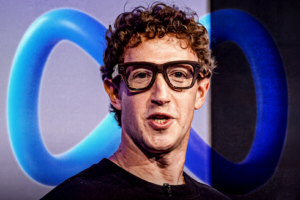
The Meta chief’s stance serves as a direct challenge to industry rivals like OpenAI’s Sam Altman and Anthropic’s Dario Amodei, whom he criticised for promoting narratives “filled with doom” regarding catastrophic societal risks and mass job losses. Zuckerberg expressed skepticism toward those who “rush to build” a future they claim will eliminate human relevance.
Apart from industry rivalries, there are several significant concerns that are still hanging:
- National Security: Zuckerberg acknowledges that broad distribution requires coordinated governance to manage risks related to biological threats and national security.
- Public Skepticism: Recent polling indicates that a majority of Americans feel more concerned than excited about AI’s growing role in daily life.
- Environmental Impact: Local communities have begun protesting the rapid expansion of energy-intensive data centers required to train these advanced models.
- Global Competition: There is mounting pressure from Chinese open-source releases, such as Moonshot AI’s Kimi K3, leading to fears that American developers may default to foreign alternatives if domestic tech remains proprietary.

Picture Credit: Sagar Shankaran
Despite these concerns, Zuckerberg presents a highly optimistic vision for a decentralised AI future. He counters economic anxiety by predicting that superintelligence will expand the global labour market, instead of than shrink it. This he says, will be achievable by providing individuals with the equivalent of a superintelligent research partner or lawyer; he believes the technology will lower barriers to entrepreneurship, and will lead to a surge in scientific discoveries, net job growth, etc.
Zuckerberg further maintains that open-source development is a superior safety strategy, by making software available to the broader developer community, vulnerabilities like cybersecurity flaws can be identified and patched more effectively than within closed, proprietary systems.

As the tech sector reaches this pivotal juncture, Meta has joined forces with peers like NVIDIA to urge the White House against over-regulating open-weight models, framing individual empowerment as the most consequential breakthrough of the coming decades.