

Tinubu Promotes Digitisation of Trade and Transnational Customs/Border’ Services, to Advance Africa’s Economic Integration
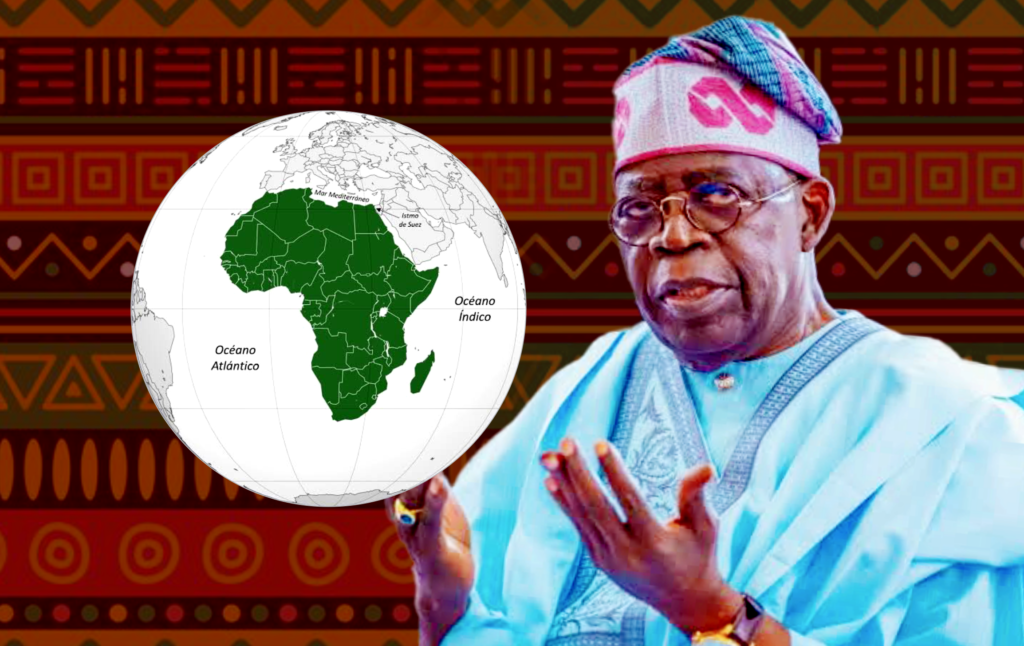
As Africa works to transform the promise of continental free trade into measurable economic gains, President Bola Ahmed Tinubu is intensifying calls for digital trade reforms and modern customs systems, arguing that technology will determine whether the African Continental Free Trade Area (AfCFTA) delivers meaningful prosperity for millions of Africans.
The Nigerian leader’s position echoes a growing consensus among policymakers and trade experts, indicating that while AfCFTA has established one of the world’s largest free trade frameworks, the continent still faces significant barriers at border crossings, customs checkpoints and regulatory systems that continue to slow commerce and increase the cost of doing business.
Tinubu has repeatedly argued that Africa already possesses the market through the AfCFTA, but requires digital infrastructure to provide the speed, scale and connectivity needed to translate policy into economic reality. His advocacy places customs modernization and digital trade, as the engine-room of Africa’s industrialization and regional integration agenda.
To most businesses operating across African borders, particularly micro, small and medium-sized enterprises (MSMEs), the inefficient customs procedures, has persisted as one of the biggest obstacles to growth. Lengthy documentation processes, multiple agency approvals, inconsistent border procedures and manual verification systems, often increase transportation costs, delay deliveries and reduce competitiveness.
The proposed digital reforms seek to address these longstanding challenges, by introducing integrated electronic platforms that allow traders to submit import and export documentation, through a single digital portal. Nigeria’s National Single Window initiative, represents one such effort aimed at reducing paperwork, shortening cargo clearance times and improving transparency across border operations.

Apart from improving administrative efficiency, some economist also claim that digital customs systems can strengthen government revenue collection by reducing leakages, improving compliance and limiting opportunities for corruption. Faster and more transparent trade procedures could also encourage greater investment, by providing businesses with greater certainty and lower operating costs.
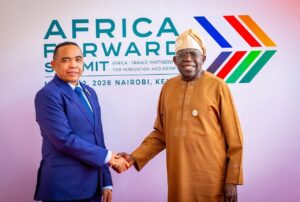
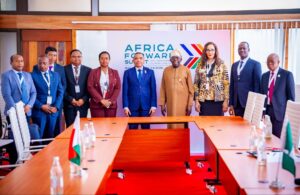
At the continental level, Nigeria is working alongside Kenya and Morocco to pilot the AfCFTA’s ADAPT framework, an initiative designed to digitally connect national trade systems across Africa. Most supporters of the idea say that the programme represents an important transition from policy commitments to practical implementation, enabling customs authorities to exchange information more efficiently and facilitate cross-border commerce.
Besides, the success of these reforms could extend beyond government institutions and multinational corporations, for the African populace. Small-scale manufacturers, agricultural producers, women entrepreneurs and young technology-driven businesses, stand to benefit if digital platforms reduce the financial and bureaucratic barriers that have historically limited access to regional markets.
Trade analysts note that integrating digital public infrastructure, including digital identity systems, interoperable payment platforms and stronger data governance, could expand financial inclusion, while making it easier for small businesses to participate in continental value chains. This would be particularly significant for entrepreneurs in rural and underserved communities, who often struggle with limited access to formal trade systems.
However, cautions birds-over this reforms that digital transformation alone, will not solve Africa’s trade challenges. Many countries are persistently facing inadequate transport infrastructure, unreliable electricity, limited internet connectivity, inconsistent regulatory standards and shortages of digital skills. Without parallel investments in roads, ports, logistics, cybersecurity and human capacity development, the benefits of customs modernization could remain unevenly distributed.
There are also concerns about the digital divide, with smaller enterprises and remote communities potentially struggling to adapt to technology-driven trade systems if adequate training and support mechanisms are not provided. Inclusive implementation, observers argue, will be essential to ensure that modernization does not unintentionally exclude vulnerable businesses from regional markets.


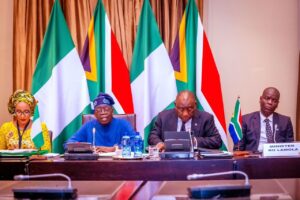
Politically, Tinubu’s advocacy reinforces Nigeria’s ambition to play a leading role in shaping Africa’s economic integration agenda. His emphasis on measurable outcomes rather than diplomatic rhetoric reflects increasing pressure on African governments to demonstrate that regional agreements can produce tangible improvements in employment, industrial development and living standards.
The deployment of localized customs technologies, including the Nigeria Customs Service’s B’Odogwu platform, illustrates an effort to align national reforms with continental objectives while responding to country-specific operational realities.
Ultimately, the effectiveness of Africa’s digital trade agenda will be judged not by the number of agreements signed, but by practical results visible at border posts and in local communities. Shorter cargo clearance times, lower trade costs, increased participation by small businesses and stronger intra-African commerce would represent meaningful indicators that the AfCFTA is beginning to fulfil its economic promise.
As African governments continue to pursue deeper regional integration, the challenge will be to ensure that digital innovation is matched by institutional reform, infrastructure investment and inclusive policies capable of translating technological progress into sustainable economic opportunities and improved livelihoods for people across the continent.