

Amano, A Low-Cost Hearing Aid Innovative Device Invention by Ramim Arish Shahab
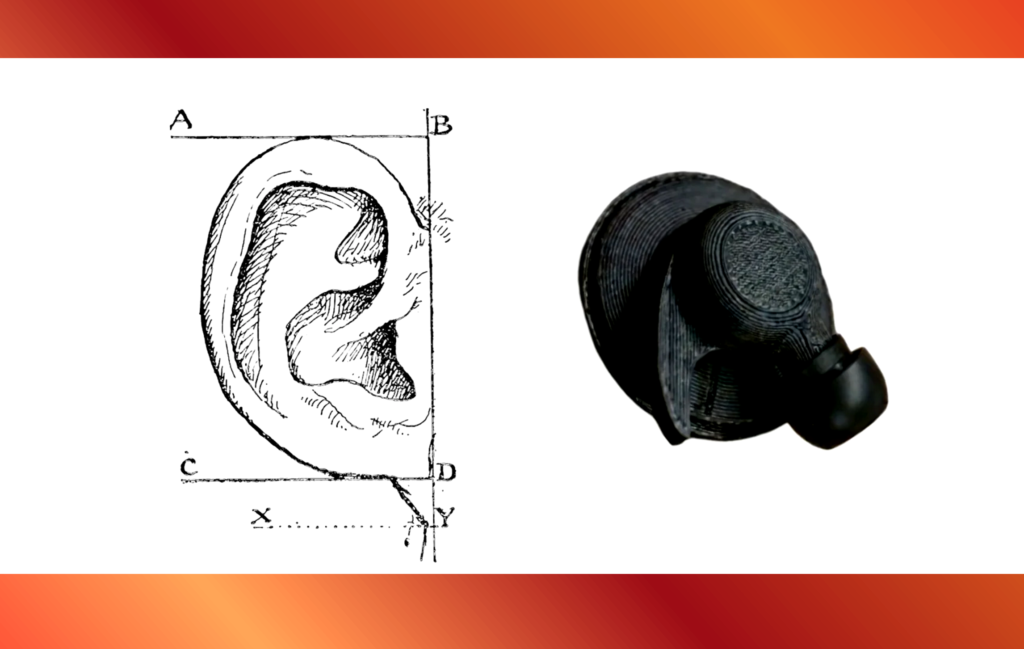
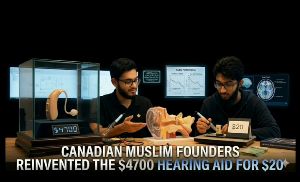
When McMaster University student – Ramin, watched his grandfather wait more than a year for a hearing aid costing nearly $4,700, the experience exposed more than a personal frustration. It revealed a widening global healthcare gap affecting millions of older adults who struggle to access affordable hearing technology. When the device finally arrived, the sound was distorted by constant noise and interference, making daily conversations even harder.
Rather than accept the problem as unavoidable, Ramin joined fellow students Arish Shahab and Aaron Yu to investigate why hearing aids remain financially out of reach, for so many families. Their research, led them to a striking conclusion that modern hearing devices, often depend on expensive electronic components and battery systems that drive up costs, especially in lower-income communities and developing regions.
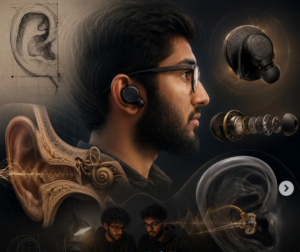
The team responded by creating Amano, a low-cost hearing device designed around a simpler idea, using the natural mechanics of the human ear itself, to amplify sound. Built with 3D-printing technology and without costly chips or complicated power systems, the device can reportedly be manufactured for about $1 and sold for roughly $20.
What began as a family-driven solution, is now drawing international medical attention. Amano is currently undergoing testing in collaboration with Harvard Medical School, a development that could help validate the technology for broader healthcare use.
Further than the engineering achievement and compassion for the old, the project highlights a growing movement among young innovators who are focused on practical, community-based healthcare solutions. Hearing loss affects social participation, education and economic opportunities, particularly for older adults, who may become isolated when communication becomes difficult. Affordable devices could help more people remain active in their communities and workplaces, while reducing long-term healthcare burdens on families and public systems.
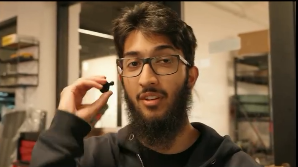
The initiative also reflects how universities are increasingly becoming hubs, for socially driven innovations; where students are combining technology, accessibility and public health goals. As healthcare systems worldwide face rising costs and aging populations, projects like Amano are attracting attention to affordability, for challenging assumptions, and on how essential medical technology should be designed and distributed.
The Amano project remains rooted in something extremely personal to Ramin and his team; the determination to ensure that one of the basic human need, which is the ability to hear clearly, does not remain a luxury, reserved for those who can afford it.