
The Unsigned Cheque, Why Northern Nigeria’s Football is Africa’s Biggest Untapped Market

If you want to see the true heart of Nigerian football, you don’t look at a TV screen broadcasting the Premier League in a Lagos bar. You look at the stands of the Sani Abacha Stadium in Kano or the Township Stadium in Kaduna. You look at the “fandom density”—thousands of fans who don’t just watch the game; they live it.
As someone who has transitioned from the pitch to the management side of the game, I see a glaring irony: The North has the largest, most loyal football audience in Sub-Saharan Africa, yet we are only scratching the surface of its commercial potential.

Beyond the “Government” Ceiling
For years, the narrative was that Northern clubs were purely social services funded by state governments. But we’ve seen flashes of a different reality. When Aspira placed the Viva brand on the jerseys of Kano Pillars, or when Gongoni’s Rambo insecticide became a visible partner, it wasn’t just a logo on a shirt—it was a proof of concept.
These partnerships proved that indigenous Northern industry recognizes the massive, concentrated “eyeballs” that only a club like Pillars can provide. However, for a region with such vast commercial interests, these deals should be the baseline, not the peak. Why are these the exceptions rather than the standard for every club from Maiduguri to Sokoto?
In marketing, “eyeballs” are currency. Brands spend millions for a fraction of the engagement found in a typical NPFL match day in the North. Whether it’s the massive following of Kano Pillars or the high-stakes return of Ranchers Bees, the audience is guaranteed.
The “Sleeping Giant” remains underfunded because we haven’t fully transitioned from a patronage model government donations to a model corporate value. When a club relies solely on a governor’s budget, it loses the hunger to innovate—to sell 50,000 jerseys or to create digital content that a brand like Viva or Rambo can leverage globally.
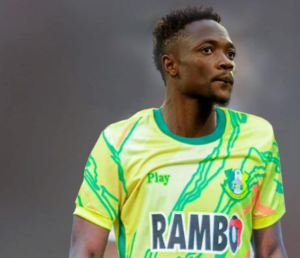
In my work as an intermediary, I’ve realized that a player’s international value isn’t just about his skill on the ball; it’s about the brand ecosystem he comes from.
When a scout from Europe or North Africa looks at a player, they aren’t just buying a defender; they are buying into a professional structure. When our clubs have high-profile corporate sponsors, professional merchandising, and an active digital presence, the “market value” of every player in that squad rises. Commercialization creates a “premium” aura that makes our talent more exportable and more valuable.
The North has something the rest of the country envies: Unity of Purpose. The future isn’t about waiting for Lagos-based multinationals to notice us; it’s about mobilizing the “Community-Commercial” engine right here. If only 10% of the fans in a packed stadium wore an official, affordable club jersey, the revenue would dwarf most state allocations.
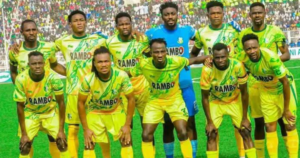
There are enough conglomerates in Kano, Kaduna, and Jos to turn every matchday into a massive marketing activation.
The return of privately-influenced teams like Ranchers Bees is the first alarm clock for this sleeping giant. But the real wake-up call happens when we stop treating football as a “charity” and start treating it as a distribution channel.
The fans are there. The brands like Aspira and Gongoni have shown it works. Now, it’s time to fill the rest of the ledger. It’s time we stop playing for “free” and start playing for the billion-naira industry that Northern football is destined to become.