
Zimbabwe President Signs Constitutional Amendment, Alters Electoral Process, Pushes General Election to 2030
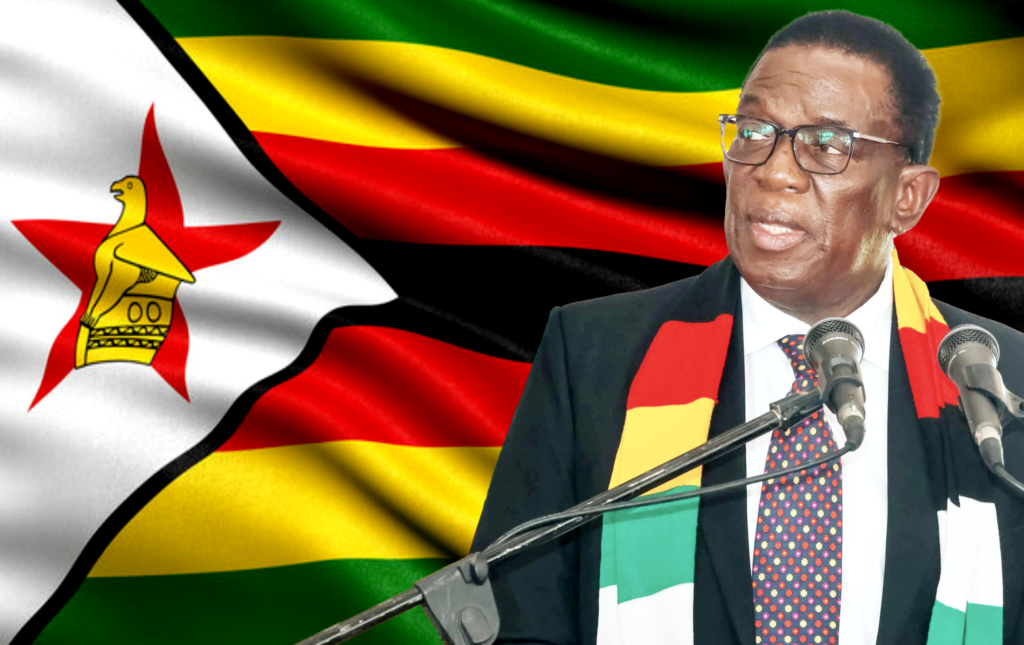
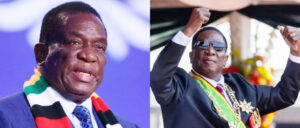
Harare, Zimbabwe, has entered a new political chapter after President Emmerson Mnangagwa signed a constitutional amendment postponing the country’s next general election from 2028 to 2030, extending presidential and parliamentary terms from five to seven years, and transferring the power to elect future presidents from voters to Parliament.
The government says the reforms are intended to provide policy continuity, strengthen political stability and give long-term economic programmes enough time to mature without disruption from frequent election cycles. Supporters within the ruling ZANU-PF argue that longer terms will allow government to focus on infrastructure development, industrial growth, agricultural reforms and investment promotion instead of recurring political campaigns.
Officials also contend that reducing election-related uncertainty, could improve foreign/local investors’ assurance, by creating a more predictable policy environment, particularly as Zimbabwe seeks to attract foreign investment, expand mining production and stabilise its economy after years of inflation and currency instability. Regarding businesses, the constitutional changes present both opportunities and uncertainties. Companies often favour stable policy environments that enable long-term investment planning, particularly in sectors such as mining, manufacturing, agriculture and energy. A longer government tenure could accelerate major public projects and reduce delays associated with election-year spending shifts.
However, investors also closely monitor the strength of democratic institutions, the rule of law and political accountability. Analysts note that prolonged political uncertainty or legal disputes surrounding the reforms could affect market sentiment, investment decisions and Zimbabwe’s engagement with international financial partners.
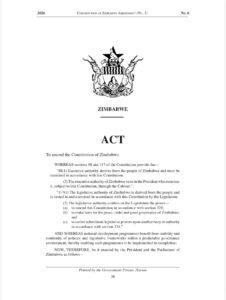
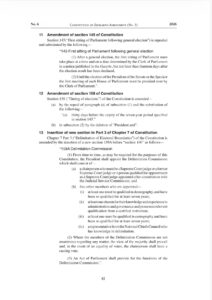
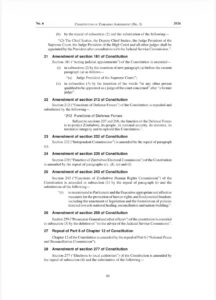
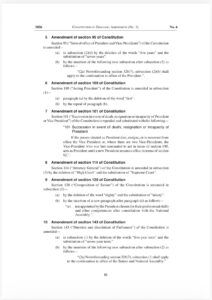
The reforms also carry significant implications for Zimbabweans. With elections postponed, citizens will wait an additional two years before choosing national leaders. The removal of direct presidential elections, means future heads of state will be selected by Parliament, instead of having a nationwide voting process. The voting populace see this reform as an instance that represent a major change in how political representation and public participation will function.
Apart from politics, different communities/occupants, are likely to judge the reforms by their practical impact on daily life. Because many Zimbabweans are currently facing high living costs, unemployment and pressure on public services, making economic performance, job creation, food security and access to healthcare of more immediate concerns, than constitutional restructuring.

Political observers say the amendment also reshapes succession dynamics within the ruling establishment. By delaying the electoral timetable and introducing parliamentary presidential selection, the reforms alter the path to future leadership contests, including those elites within the ruling party.
Nevertheless, the legislation has triggered widespread criticism from opposition parties, civil society groups and some veterans of Zimbabwe’s liberation struggle, who describe the amendment as a “constitutional coup“. They contend that changes of such national significance, should have been decided through a public referendum, instead of parliamentary approval alone.
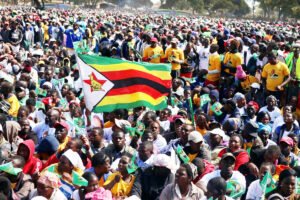
Opposition politicians have pledged to challenge the amendment before Zimbabwe’s Constitutional Court, setting the stage for what could become one of the country’s most consequential legal and political battles in recent years.
As the debate continues, Zimbabwe now faces the dual challenge of maintaining political stability, while convincing citizens, businesses and international partners that the constitutional changes will ultimately translate into stronger governance, economic progress and improved living standards.