

US-Israel War on Iran Shoves African Governments to Rethink Security and Economic Priorities
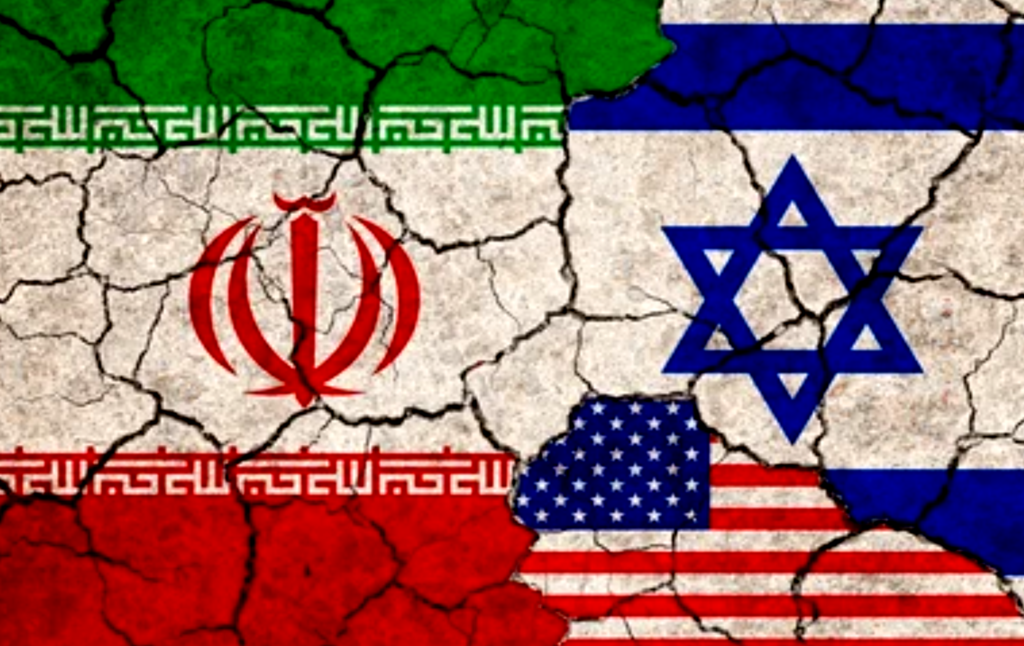
The widening conflict involving the United States, Israel and Iran is no longer a distant geopolitical crisis for Africa. From rising fuel prices and food inflation to growing security concerns along strategic coastlines, governments across the continent are increasingly reassessing how they protect their economies, secure their borders and position themselves in a rapidly changing global order.
While the fighting remains concentrated in the Middle East, its economic and political consequences are being felt in African households, ports and government ministries. Policymakers are confronting a difficult reality: external conflicts can quickly disrupt domestic livelihoods, exposing long-standing vulnerabilities in energy dependence, maritime trade and regional security.
One of the most immediate concerns for African governments, has been the volatility in global energy markets. Fears of disruptions around the Strait of Hormuz—a vital shipping route for global oil exports—have driven up international crude oil prices, increasing transportation and import costs for many African economies that rely heavily on refined petroleum products.
Millions of families feel the extends of the impact beyond fuel stations. Higher transportation costs translate into more expensive food, medicines, agricultural inputs and other essential goods, placing additional pressure on already strained household budgets.
Governments are therefore accelerating policies aimed at reducing exposure to external supply shocks. Across the continent, officials are placing renewed emphasis on expanding domestic refining capacity, improving strategic fuel reserves and investing in local manufacturing to reduce dependence on imported products.
Nigeria’s Dangote Refinery, has become one example that is frequently cited by policymakers as part of wider efforts to strengthen domestic energy security. If local refining capacity continues to expand across Africa, analysts believe countries could become better insulated from future global disruptions while creating thousands of skilled jobs and reducing foreign exchange pressures.
Some economists debate that the current crisis also strengthens the case for stronger implementation of the African Continental Free Trade Area (AfCFTA), allowing African countries to trade more manufactured goods within the continent, instead of relying heavily on distant markets that are vulnerable to geopolitical instability. Asides from the economics, security agencies are increasingly monitoring the indirect effects of Middle Eastern rivalries, on African soil.
The Horn of Africa and the Red Sea have become strategically important, as regional and international powers compete to protect shipping lanes, military installations and commercial interests. Countries including Sudan, Djibouti, Eritrea and Somalia, occupy locations that have become seriously valuable to competing global actors. Furthermore, security experts warn that foreign competition in these regions could complicate ongoing peace efforts and intensify proxy rivalries that prolong existing conflicts.
Sudan’s civil war remains a major concern. With multiple external actors pursuing strategic interests across the region, African governments fear that expanding geopolitical competition could make diplomatic solutions more difficult, while worsening humanitarian conditions for millions of displaced civilians.
Maritime authorities are also strengthening surveillance along key shipping routes, to guard against piracy, arms trafficking and disruptions to commercial trade that could threaten national revenues and regional stability. The conflict has also prompted questions about Africa’s place, within global security priorities.
As the United States and several Western allies devote greater diplomatic and military resources to developments in the Middle East, some African decision-makers believe that attention towards long-running security challenges in regions such as the Sahel, may diminish. That possibility has sparked renewed discussions within regional organizations, about strengthening African-led peace operations, intelligence sharing and collective security arrangements, rather than relying primarily on external military partnerships.
Policy pundits say, the evolving geopolitical environment could encourage African governments to diversify international relationships by engaging multiple global partners, while maintaining greater policy independence. Rather than aligning exclusively with one bloc, many governments are expected to pursue pragmatic diplomacy that protects national interests, attracts investment and expands access to technology, infrastructure financing and defence cooperation.
To ordinary Africans, geopolitical tensions with diplomatic statements are less relevant to them, compared to everyday realities. Transport operators face rising fuel expenses. Small businesses struggle with increasing operating costs. Farmers pay more for fertilizers and logistics; while consumers confront higher prices for food and household necessities. Humanitarian organizations also warn that prolonged instability in international shipping could affect supplies of medical equipment, humanitarian aid and essential commodities meant for vulnerable communities.
Governments are therefore under growing pressure to strengthen social protection programmes, stabilize food markets and support small businesses that are often the first to feel the effects of global economic shocks. Despite the challenges, many policy experts believe the current crisis, presents an opportunity for African countries to accelerate long-delayed economic reforms.
Greater investment in local energy production, regional infrastructure, domestic manufacturing, digital trade and cross-border commerce, could make African economies more reinforced against future international crises. Strengthening regional institutions, expanding intra-African trade and building more self-sufficient supply chains, may also reduce the continent’s vulnerability to conflicts, occurring thousands of kilometres away.
The lessons dished out from this geopolitics, is becoming more and more clearer to many governments. Africa’s long-term security will depend on economic resilience alongside, military preparedness, stronger regional cooperation and policies that place the welfare of ordinary citizens at the centre of national development strategies.