
Canada–Ukraine Drone Partnership Draws Sharp Russian Rebuke, Scooping-out Security and Diplomatic Tensions
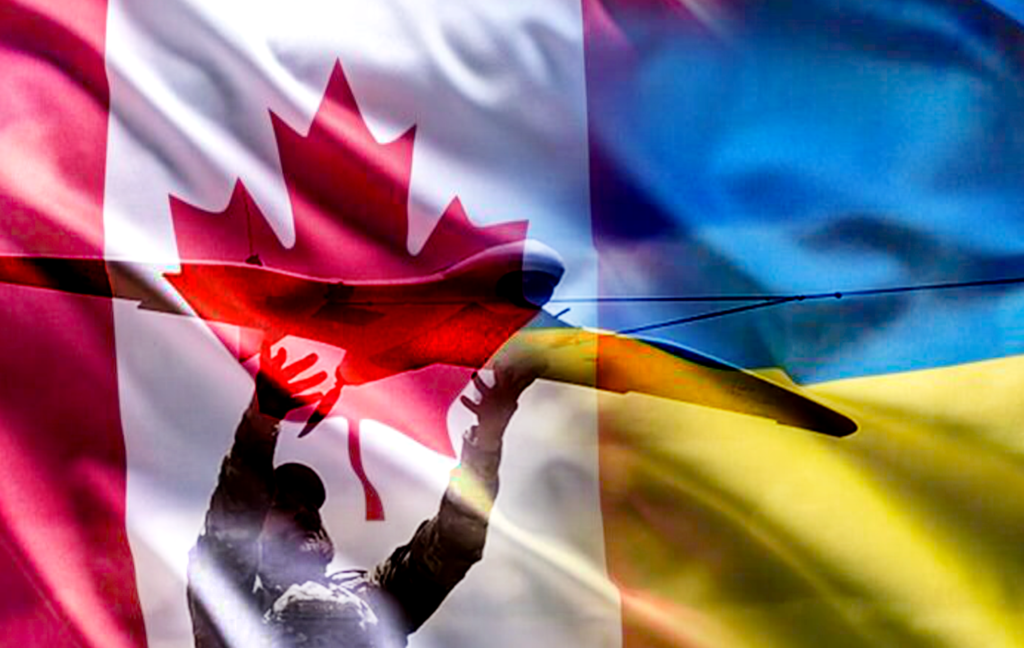
A new defence manufacturing partnership between Canada and Ukraine has sparked a fresh diplomatic confrontation with Russia, highlighting how modern conflicts increasingly extend farther than the battlefield, into industrial facilities, civilian economies and international political alliances. Ottawa host this breathing-new episode.
The agreement, signed on May 29 during the CANSEC defence conference in Ottawa, establishes a joint venture known as Airlogix-Sentinel, bringing together Hamilton-based Sentinel Research and Development and Ukrainian defence technology company Airlogix. Under the 50-50 partnership, the companies will manufacture battlefield-tested reconnaissance drones in Canada for use by Ukraine’s armed forces.
The deal that is being presented by Ottawa and Kyiv, as part of comprehensive efforts to strengthen Ukraine’s defence capabilities and expand Canada’s advanced manufacturing sector, has provoked a forceful reaction from Moscow, highlighting the growing geopolitical risks surrounding international military cooperation. Russia condemns the tech-deal agreement and tagged it as an escalation-strip
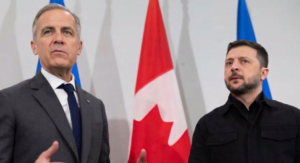
Russia’s Foreign Ministry accused Canada of abandoning any claim to neutrality and becoming a more direct participant in the war. Foreign Ministry spokesperson – Maria Zakharova, described the agreement as evidence that Canada was helping to prolong the conflict, accusing Ottawa of pursuing policies that fuel the war, as against promoting peace.
She also warned that Russia would factor the partnership into its future military and political planning; and threatened to publicize the locations of facilities involved in producing the drones. This statement, was widely interpreted by analysts as an attempt to intimidate companies supporting Ukraine and deter further international defence cooperation. Although, no direct military action was threatened against Canadian territory, but the remarks have intensified concerns about information warfare, cyber threats, and the growing vulnerability of civilian industrial infrastructure, linked to defence production. However, Ottawa dismisses that there is form of pressure.
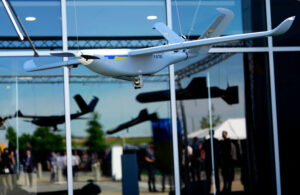

Canada has rejected Moscow’s criticism, insisting that its support for Ukraine remains consistent with international efforts, to help a country defend itself against invasion. Defence Minister – David McGuinty, said Russia’s response was neither surprising nor likely to influence Canada’s policy. “We would expect the Russians to be critical“, McGuinty told reporters, noting that similar rhetoric has been directed at several NATO countries, providing military assistance to Ukraine. He added that Canadian authorities, including the Canadian Armed Forces, are closely monitoring developments, and as well maintaining their commitment to the agreement. A depicting frame of the industrial sector, caught in a geopolitical crossfire.
The dispute illustrates how private companies have become progressively entangled in international conflicts. Rather than producing weapons solely within government-owned facilities, many countries now rely on commercial technology firms to develop drones, autonomous systems and surveillance platforms. As a result, some businesses and their employees in some cases, find themselves exposed to geopolitical pressure that traditionally targeted only governments.
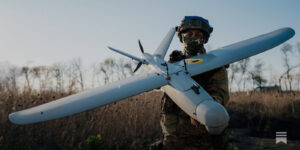
Sentinel Research and Development Chief Executive Officer – Katheron Intson, said her company takes all security concerns seriously, but indicated the Russian remarks would not alter its plans. She acknowledged being surprised by Moscow’s threat to publish manufacturing locations, but questioned Russia’s characterization of Canada as an aggressor. The company also noted that production sites for the joint venture, have not yet been finalized, making Russia’s threat difficult to act upon, in practical terms. Sentinel operates under Canada’s Controlled Goods Program, which imposes strict security requirements on firms handling sensitive defence technologies.
As per the human consequences away from the battlefield, goes further than diplomatic exchanges. The agreement reveals the expanding human dimensions of the war. Regarding Ukraine, increased drones production could strengthen battlefield surveillance and potentially save soldiers’ lives by improving reconnaissance capabilities, reducing the need for personnel to enter high-risk areas. Ukrainian officials also view international manufacturing partnerships as essential to sustaining military supplies, after more than three years of war.
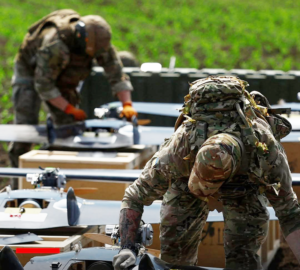
On the part of the Canadian workers, the project promises new skill in manufacturing jobs, investment in advanced aerospace and defence technologies. Thus far, these economic benefits come alongside heightened security concerns for employees and communities that are hosting defence-related industries, where facilities may become symbolic targets of foreign disinformation campaigns, or intimidation efforts. In addition, some security experts are seriously warning that modern warfare exceeds combat zones, affecting supply chains, civilian industries, digital infrastructure and local communities, far from the front lines.
This Russia-Canada new chapter of verbal-unrest, is adding to a growing concern on political stakes. Their confrontation also reproduces an expanse of the deterioration in relations between Russia and the Western nations that are supporting Ukraine.
Since Russia’s full-scale invasion of Ukraine in 2022, Canada has steadily expanded military, financial and humanitarian assistance to Kyiv, alongside NATO allies. Moscow has consistently portrayed such support as direct interference in the conflict; also Canada/allies claim they are assisting a sovereign nation exercising its right to self-defence, under international law.
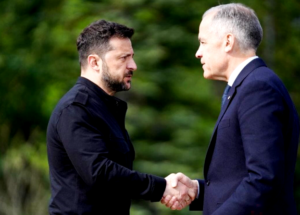
The latest dispute demonstrates how defence-partnerships have become diplomatic flashpoints, with industrial cooperation, which is viewed as part of the strategic contest between Russia and Western governments.
As the Airlogix-Sentinel venture moves toward production, the project is likely to remain under close international scrutiny, for its military significance and what it reveals about the evolving nature of global conflict, where factories, technology firms and civilian workers are becoming integral actors, in geopolitical competition.